Bulk Landscape Materials, From Rip Rap Down to Screenings
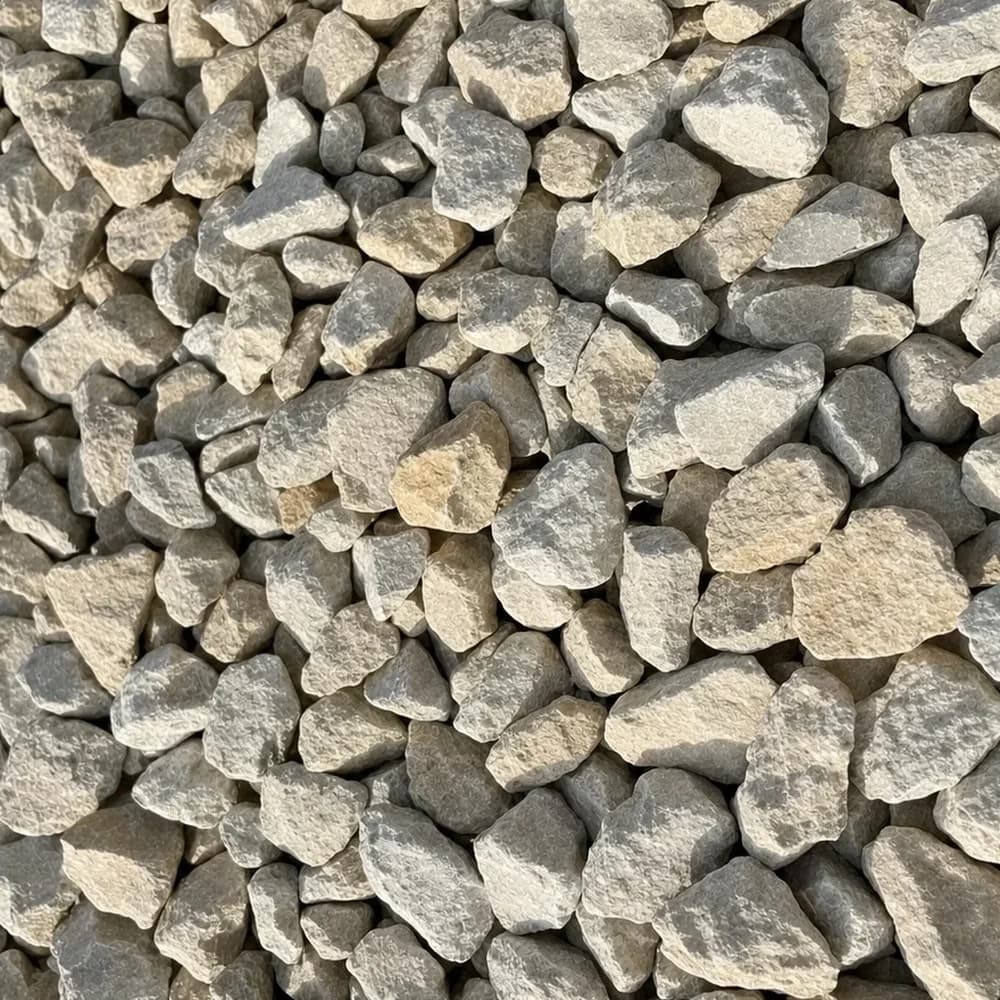
Driveway Gravel
Once placed and packed, Driveway Gravel makes a settled traffic surface for Tennessee entrances, barn pads, and parking areas. Size: 3/4 inch. Grading: Graded mix of stone sizes. Type: Crushed stone.
Free Delivery
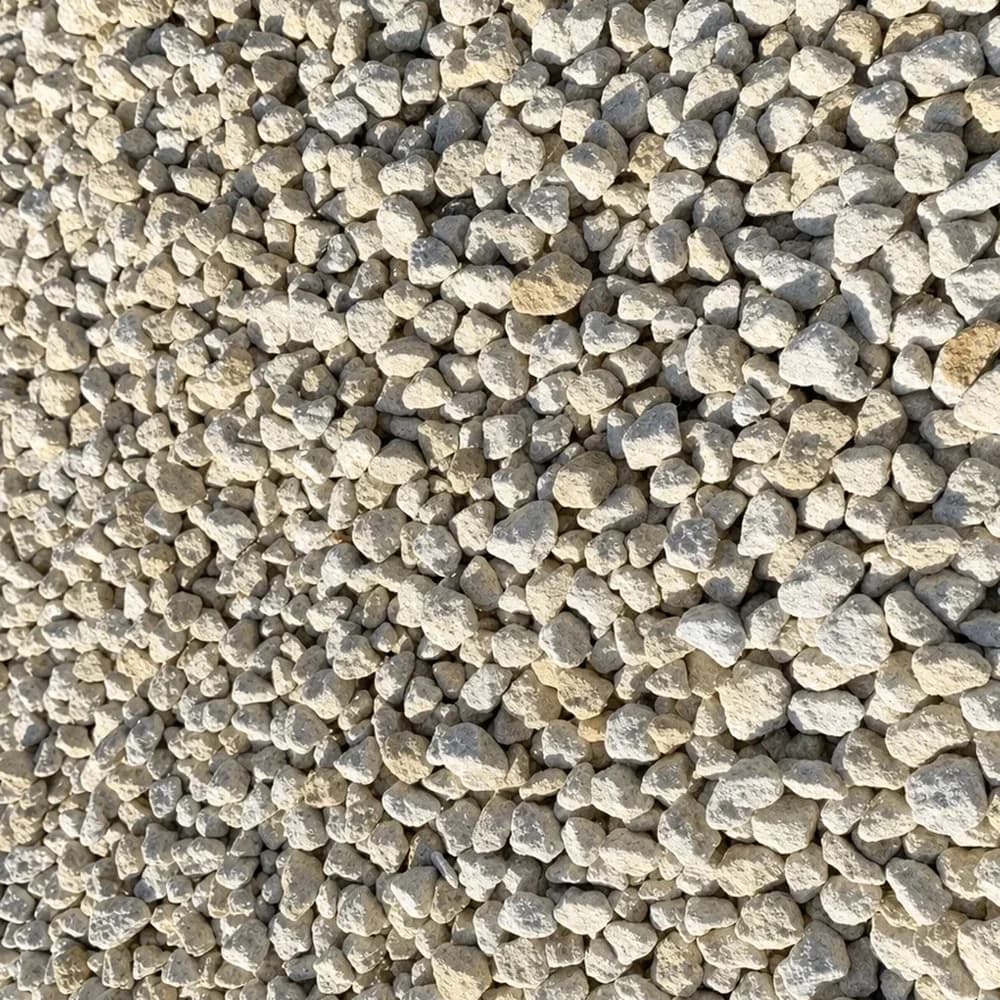
Walkway Gravel
Place Walkway Gravel as the finished layer on a Tennessee garden path after the route is prepared to handle water and foot traffic. Size: 3/8 inch. Grading: Graded mix of stone sizes. Type: Crushed stone.
Free Delivery
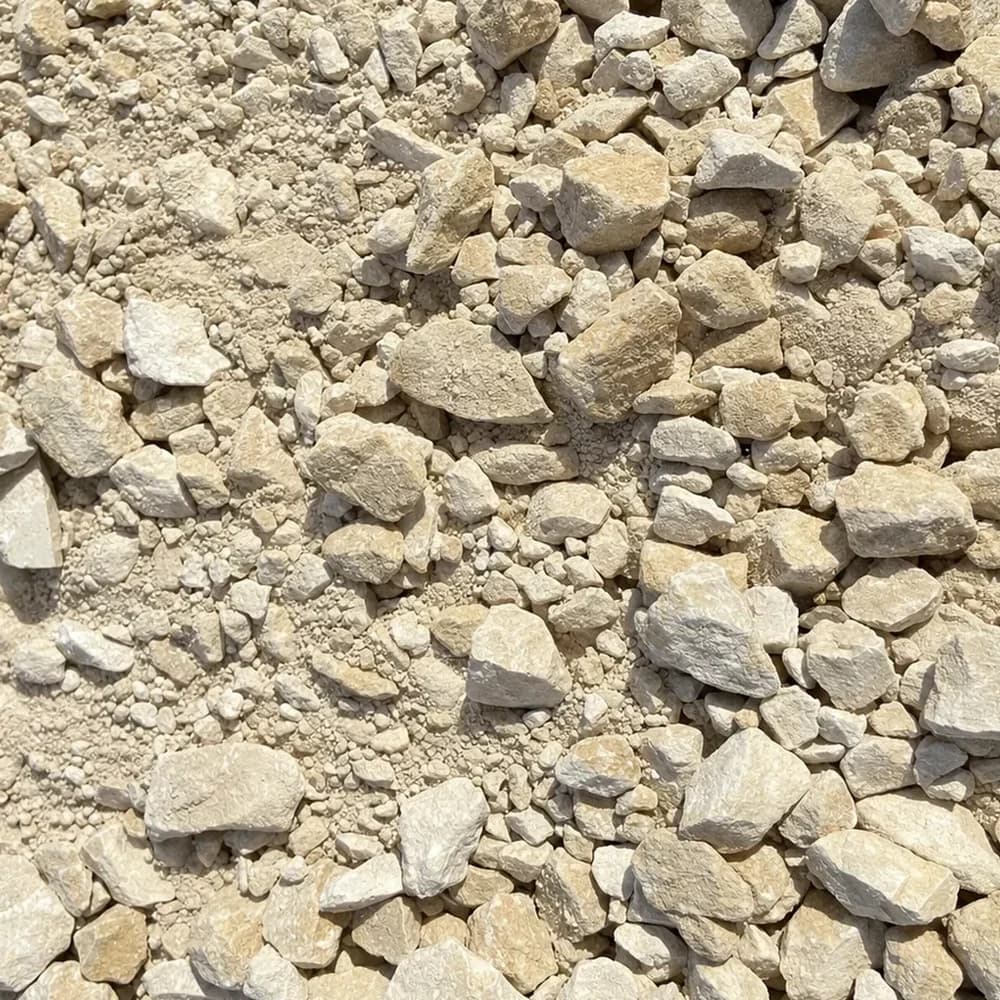
Crusher Run
Crusher Run settles into a dense base for Tennessee driveways, barn pads, and patio work on rocky or fast-draining ground. Size: 3/4 inch minus. Grading: Crushed stone blended with stone dust and fine particles. Type: Angular crushed stone.
Free Delivery
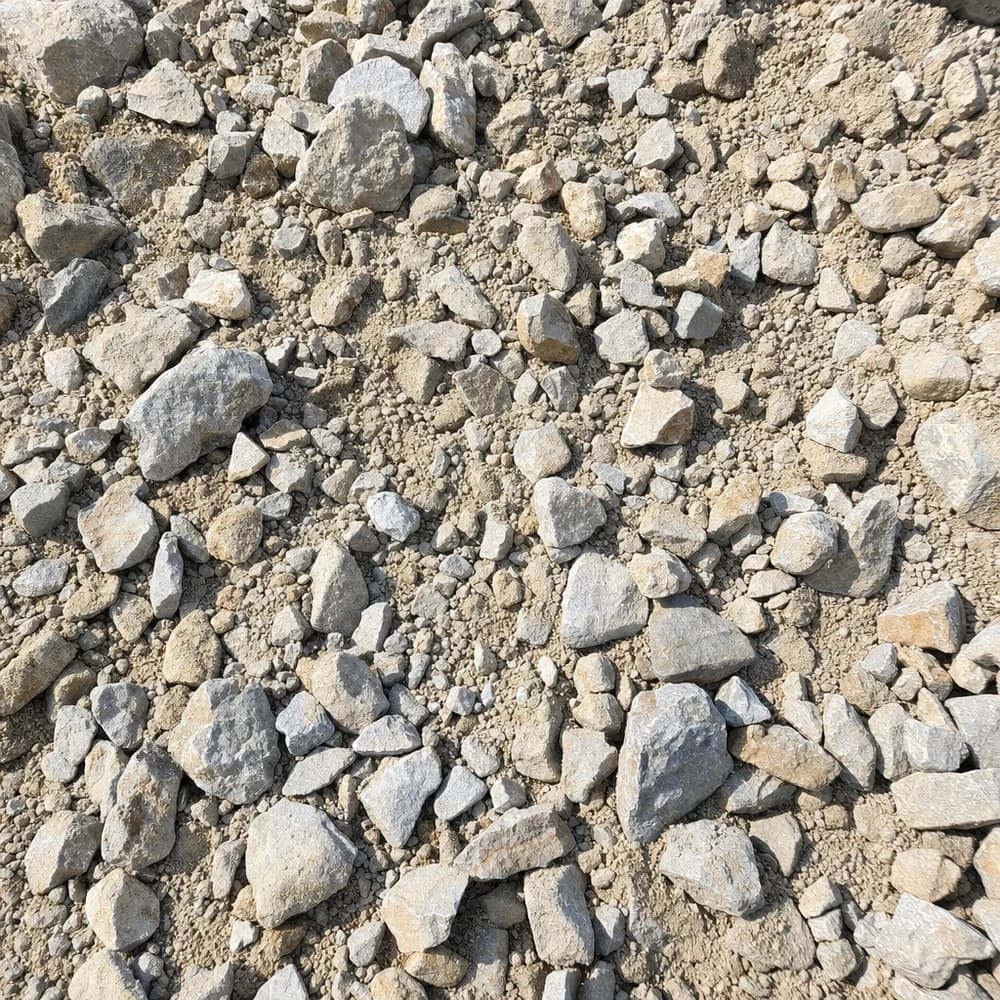
Dense Grade Base
For a Tennessee barn pad or driveway, Dense Grade Base helps keep regular equipment traffic from turning soft ground into ruts. Size: 3/4 inch minus. Grading: Graded mix of crushed stone, gravel and binding fines. Type: Crushed aggregate blend.
Free Delivery
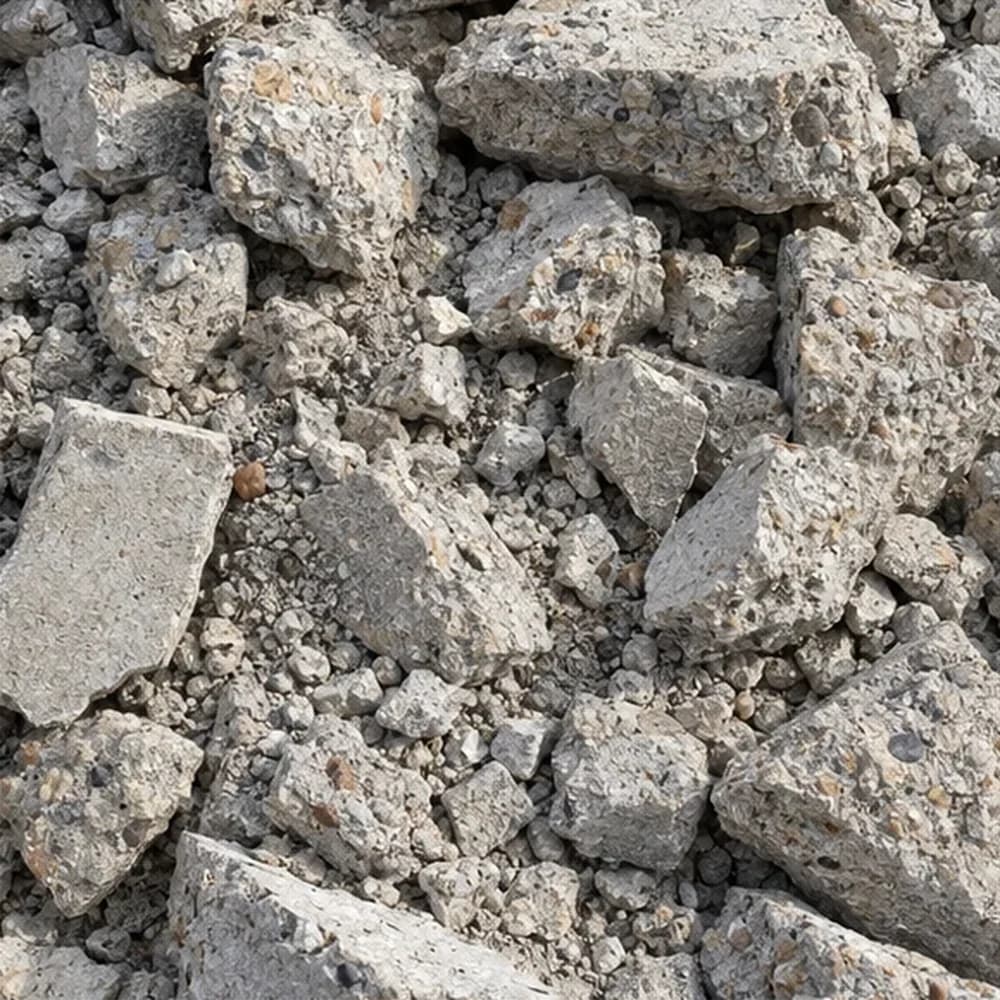
Crushed Concrete
Crushed Concrete settles into a tight base for Tennessee driveway work, barn pads, and travel lanes across uneven ground. Size: 3/4 inch. Grading: Angular pieces blended with fines. Type: Recycled crushed concrete.
Free Delivery
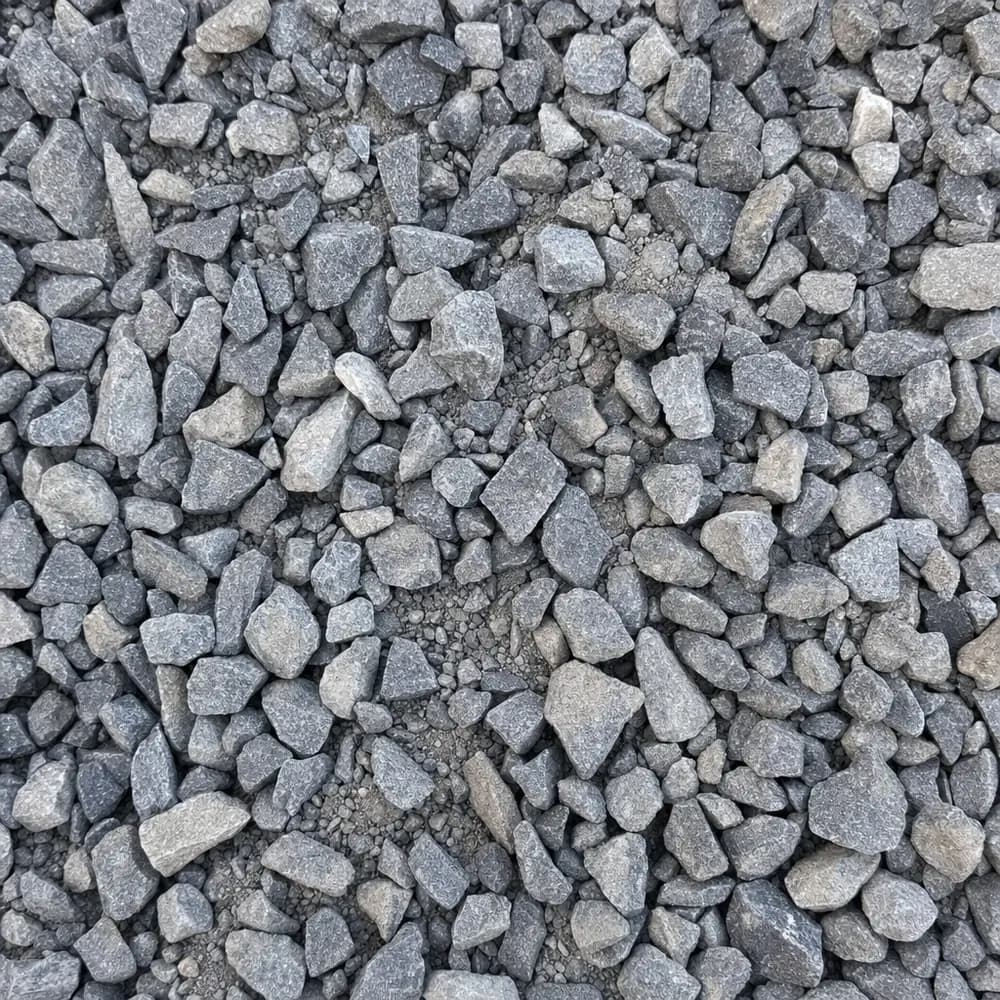
Gravel Sand
3/4 inch minus crushed stone blended with fine stone dust. Compacts tightly to create a rock-solid base for driveways, patios, and construction projects.
Free Delivery
The most common mix-up on an order here is not a size. It is whether the stone still has its fines in it. Washed grades and stone with the crusher dust left in can look close to identical in a pile on a clay drive, and they behave nothing alike: one keeps a route open for water, the other locks up under a roller and carries weight. Everything below is set out from the largest stone down, with the distinction marked at each step.
Armor stone, where the water is doing the moving
The top of the ladder is for water that has already started taking ground away. RipRap is the machined armor for a scoured creek bank, a ditch line or a culvert outlet, and it is placed in a layer rather than spread. Large River Rock at two to four inches gives a dry creek bed or a slope feature the same weight with a rounded face, and River Rock at one to three inches is the same rounded stone a size down, for borders and bed cover rather than for holding a face. Railroad Ballast is coarse stone for track beds, hard standing and severe drainage, and #4 Crushed Stone handles construction entrances and trench bottoms that stay wet.
Washed grades, sized by number for drains and concrete work
These are screened clean, so the voids between the pieces stay open and water moves through them. Drain Rock at three quarters to one and a half inches goes behind retaining walls and down French drains. #57 Stone at 3/16 to 1 inch is the general drainage and concrete size, with #67 Stone a step finer at a quarter to three quarters. 3/4" Crushed Stone suits drainage beds and construction entrances, and 3/8" Crushed Stone is for pipe bedding and fine drainage. Smaller again, #8 and #89 fill paver joints and tight bedding, and rounded 3/8" Natural Pea Gravel is the walkable one for paths and play areas.
Stone with the fines left in, for anything that has to carry a load
Here the dust is the point. Dense Grade Base at one inch minus is the graded mix for a lane, a long drive or an equipment pad. Crusher Run at three quarter inch minus is the everyday base under a house drive, a barn pad or a patio. Over a rolled base, Driveway Gravel at three quarters of an inch is the wearing course and Walkway Gravel at three eighths is the finer path finish. Screenings at a quarter inch minus is the bedding and leveling course under pavers, brick and flagstone.
Sand, soil and cover at the bottom of the ladder
Mason Sand is the fine washed grain for mortar, paver joints and play sand, and Washed Sand is the coarser one for bedding, forms and leveling under a slab. For ground work, Fill Dirt builds grade back up, Top Soil is the screened finish layer seed roots into, and Garden Soil is blended with compost for beds. Planting is finished with Shredded Mulch, which holds moisture in a bed through a dry stretch.
Work out the quantity with the material calculators before you choose an amount, since depth changes an order more than area does, and check the drop spot while you are at it.
Common questions
How do I tell at a glance which of these will drain and which will pack?
Read the size description. Anything given as a minus size, such as three quarter inch minus or one inch minus, is a graded mix that still contains stone dust, and that is the family that compacts. Anything described as washed, or given as a range between two sizes like three quarters to one inch, has had the fines screened out and will let water through. On a job that needs both, order them separately rather than looking for one product that does both, because nothing does.
Are the three soil listings really different, or is it just naming?
They are three different materials with three different jobs. Fill Dirt is screened to remove rocks, roots and debris and has minimal organic content, which makes it right for raising low ground and backfilling and wrong for growing. Top Soil is screened and balanced across sand, silt and clay, so it is the layer a lawn or a bed roots into, and it belongs in the top few inches. Garden Soil is enriched with compost for raised beds and planting areas. Ordering the cheap one for the whole depth is the usual mistake.
Is this catalogue set up for trade buyers as well as homeowners?
The same pages and the same checkout serve both. A landscaper ordering for a client site, a builder stocking a job and a homeowner rebuilding one drive all pick the material, set the quantity, and enter the delivery ZIP code and a date. If the destination is a working site with a gate, restricted access hours or someone else on the ground, send those details through the contact form before the date is chosen rather than after.
Do I order the depth I want, or more than that, if it is being compacted?
More than that, on anything from the minus family. A rolled layer loses height, so a finished four inch base is built from more than four inches of loose material, spread and rolled in lifts of three to four inches. The calculators add five percent for compaction and spillage by default (ten percent on the dirt, crusher run, road base and paver base calculators), which covers ordinary handling loss. Washed stone and decorative cover do not shrink the same way, so for a drainage trench or a mulch bed the measured depth is the depth to order.