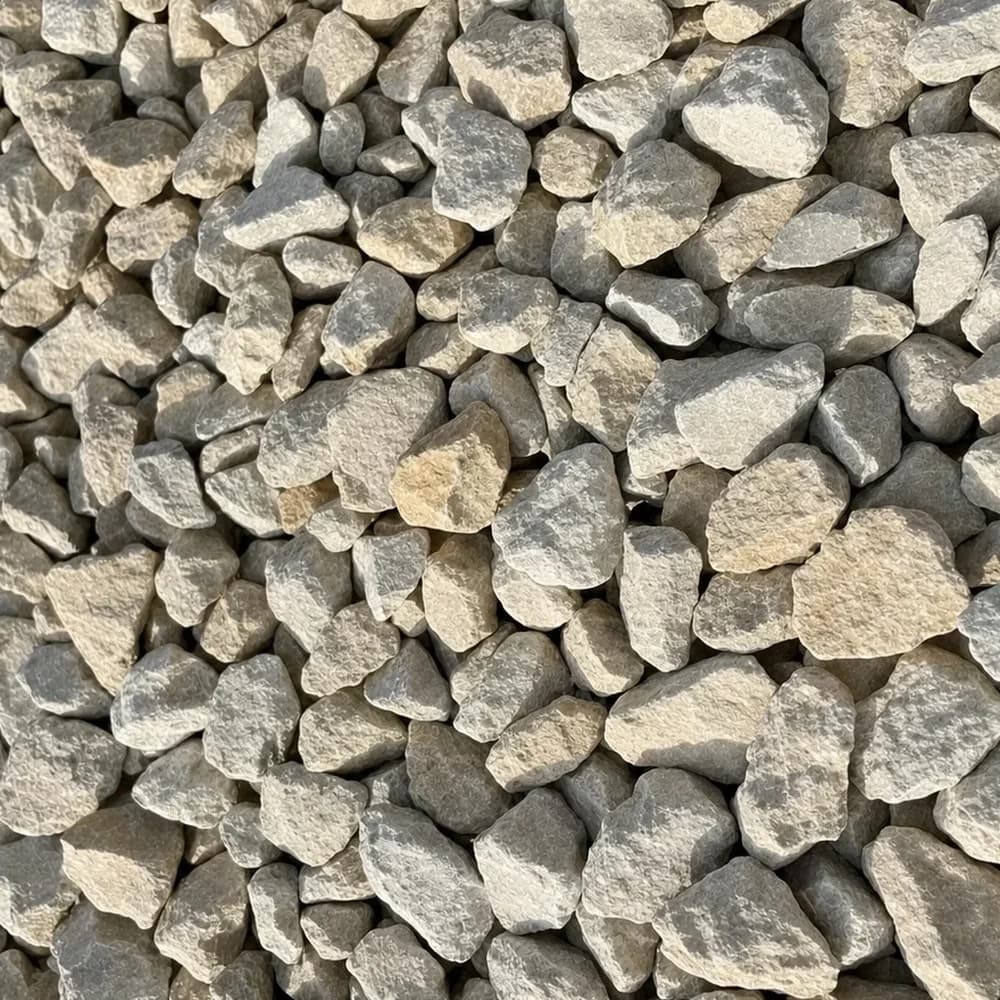
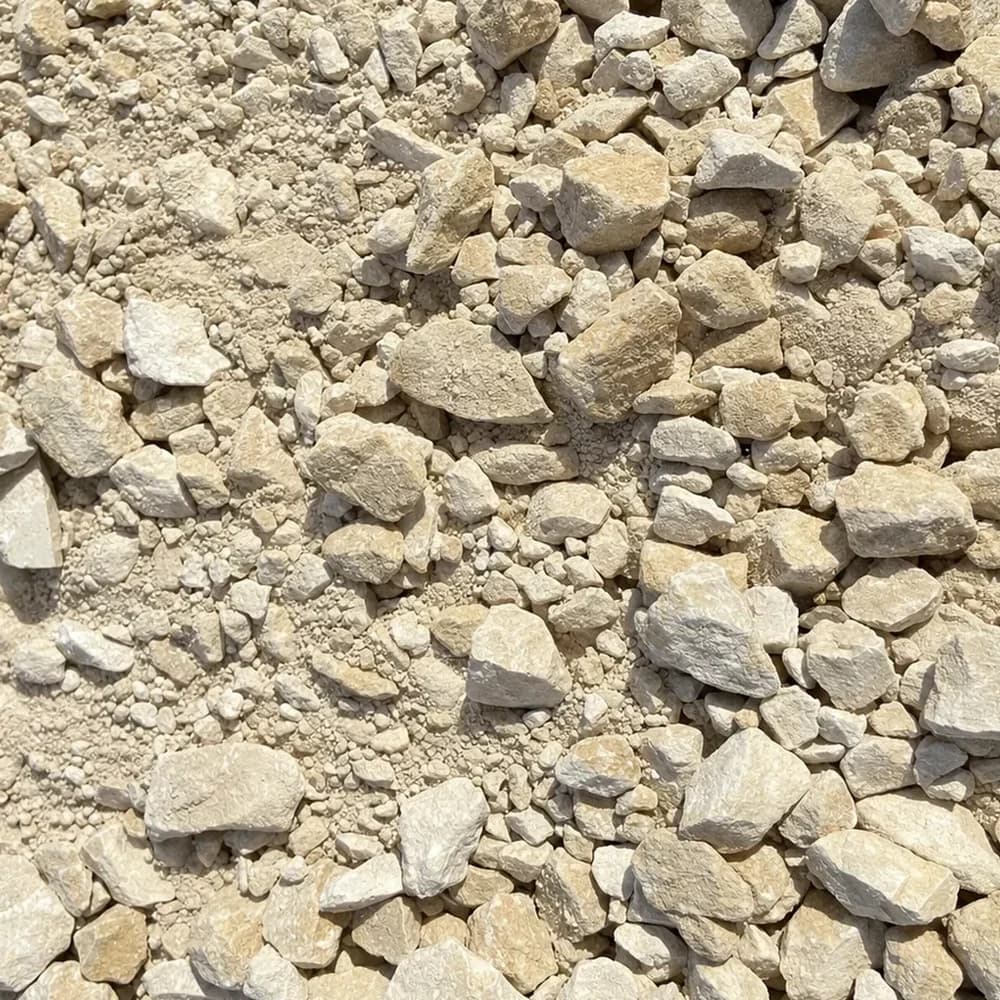
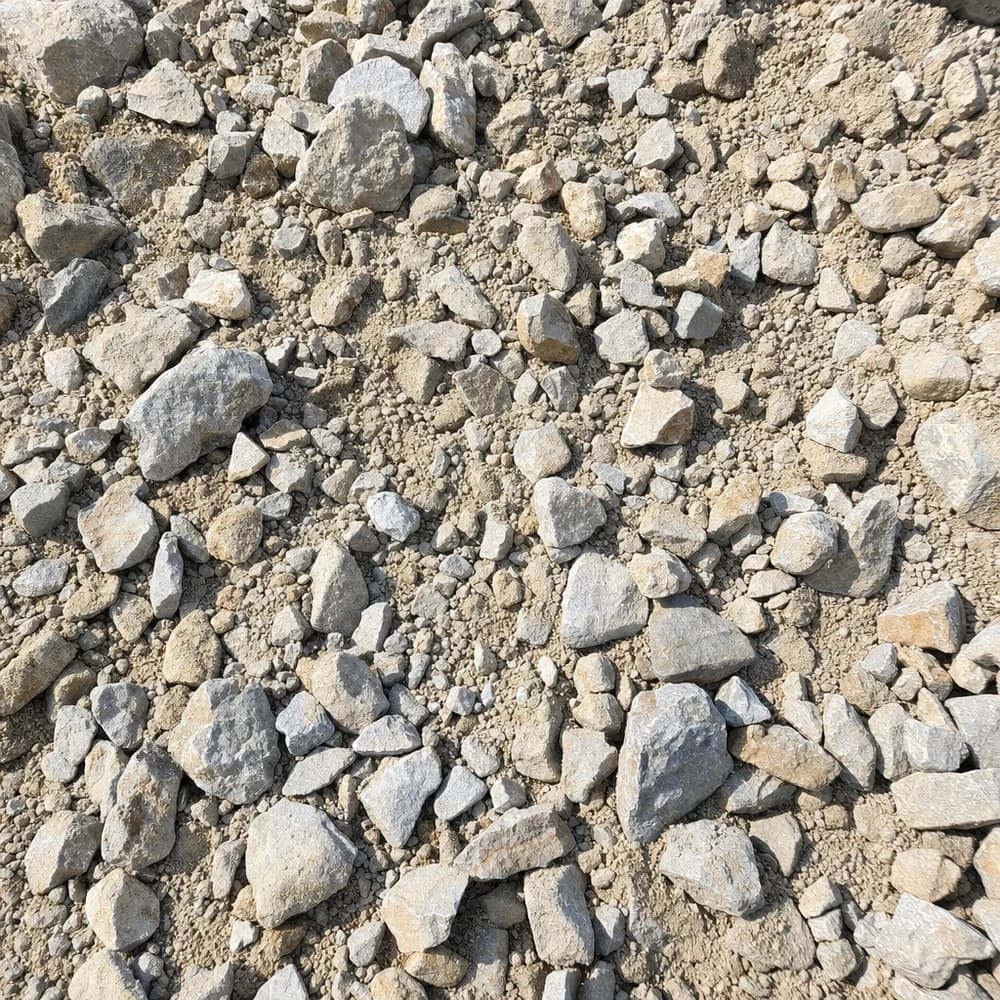
Walkway Gravel for Tennessee Garden Paths That Stay Walkable
Place Walkway Gravel as the finished layer on a Tennessee garden path after the route is prepared to handle water and foot traffic.
- Size: 3/8 inch
- Grading: Graded mix of stone sizes
- Type: Crushed stone
From $408 for 1 ton, delivery included (larger loads cost significantly less per ton)
Free delivery included
Free delivery anywhere in Tennessee
Pick a delivery date
Weekday delivery, earliest Oct 29
“Got walkway gravel from them, and the driver was friendly and careful about where he placed it.”
Luis S. · Verified Buyer
Get a Free Quote
Fill out the form and our sales team will get back to you within the hour.
Size and Grading
- Size
- 3/8 inch
- Grading
- Graded mix of stone sizes
- Type
- Crushed stone
Most calls about path gravel start the same way: somebody laid a pretty rounded stone down a garden route, and now it rolls underfoot, the wheelbarrow wheel plows a trench through it and half of it has ended up in the beds either side. Rounded stone is lovely to look at and useless to walk on. Walkway Gravel is the other thing: crushed at three eighths of an inch, graded across a mix of sizes, and shaped so the pieces wedge against each other and stay wedged when somebody puts a boot on them.
The path that swallowed a load of rounded stone
Two properties decide whether a path surface works, and neither of them is color.
The first is shape. A crushed piece has flat faces and sharp corners, so it locks against its neighbors. A rounded piece has neither, so it rolls. On a path that means the crushed material takes a footprint and closes back up, while the rounded one displaces and keeps displacing until there is a rut where people walk and a ridge either side of it.
The second is grading. This material carries a mix of sizes rather than one size, so the smaller pieces fill in around the larger ones and the surface knits rather than staying open. A single-size washed stone never does that, which is why a bed of clean inch stone feels loose no matter how long it has been down.
Walkway gravel on cherty clay, loess and thin ridge soil
Paths here fail from underneath more often than from above.
On the cherty clay of the Highland Rim and the hills around the Central Basin, the subgrade softens through a wet winter and spring, and a path laid straight on that clay sinks into it in patches. On silty West Tennessee ground the problem is different: the loess is fine, erodible and washes easily, so the risk is the path material and the soil beneath it moving together after a hard rain. On the plateau and the eastern ridges the ground is firmer and shallower to rock, which is the easiest case, but runoff arrives fast and a path across a slope becomes a channel if nothing else is offered to the water.
The pattern across all three is the same. Give the water somewhere else to go, give the path something firm to sit on, and give the edges something to push against.
What goes under the path before the gravel does
A path is a small version of a drive and it wants the same sequence, at a smaller scale.
- Excavate the route to a consistent depth rather than following the existing ground, taking out sod and topsoil so nothing under the path can rot or settle.
- Shape the bottom with a slight fall or crown so water leaves the path sideways instead of running along it.
- Compact the subgrade. A plate compactor takes minutes on a path width and saves a season of repairs.
- Lay a woven permeable fabric on clay, which keeps the subgrade from working up into the gravel and the gravel from disappearing into the clay.
- On soft ground, add a compacted base course of Crusher Run before the surface goes on. On firm ground a well-compacted subgrade and fabric is usually enough.
- Set the edging before the gravel, not after. Timber, steel, aluminum, a brick course or a cut trench all work, and without one the path spreads into the beds within a year.
Then the surface. Two to three inches of walkway gravel over a prepared route is a working depth. Spread it, rake it level, and run a compactor or a hand tamper over it once, because a lightly compacted path is far more comfortable to walk on than a loose one. The depth you want is the finished depth, so expect to rake out a touch higher than your target before it is tamped.
Screenings and pea gravel next to it
The two materials people weigh against it pull in opposite directions.
Screenings are finer again and pack down to the hardest, smoothest surface of the three, which is why they bed flagstone and pavers. As a path surface on their own they are firm underfoot and good for a wheelbarrow or a wheelchair, and the trade is that a fine material holds water and tracks into the house on wet boots.
Pea gravel is the rounded one at three eighths of an inch, and it is the material in the story at the top of this page. It is comfortable and attractive in a contained area with a strong edge and it is a poor choice for a route people use daily or push anything along.
Between them, the crushed three eighths sits where most garden paths want to be: firm enough to walk and wheelbarrow on, open enough to drain, and coarse enough not to come indoors on a boot. The nearest listing to it in the catalogue is the 3/8 inch crushed stone, which is the same nominal size sold for drainage and bedding rather than as a graded path surface.
Yardages for a ditch-side walk, a rock garden loop and a run to the garage
Three hypothetical examples, worked the way the site calculator does it: length times width times depth in inches, divided by twelve, divided by twenty seven.
A walking strip beside a lined ditch, 55 feet by 3 feet at three inches. 165 square feet. 165 x 3 = 495, divided by 12 = 41 cubic feet. Divided by 27 = 1.5 cubic yards. Walkway gravel runs about 2,800 lb a cubic yard on this site's published figures, roughly 1.4 tons, so that strip is approximately 1.5 x 1.4 = 2.1 tons. Keep the walk out of the channel itself, which is a job for heavier stone.
A path looping a rock garden bed, 38 feet by 2.5 feet at three inches. 95 square feet. 95 x 3 = 285, divided by 12 = 24 cubic feet. Divided by 27 = 0.9 cubic yards.
A run from a garage pad to the back door, 26 feet by 4 feet at three inches. 104 square feet. 104 x 3 = 312, divided by 12 = 26 cubic feet. Divided by 27 = 1.0 cubic yards. If the pad at the end of it is being built at the same time, that is a separate and much larger order: 12 by 20 feet at six inches of base works out at 240 square feet, x 6 = 1,440, divided by 12 = 120 cubic feet, divided by 27 = 4.4 cubic yards.
Path orders are small, which is worth knowing before you book a truck. Run the figures through the gravel calculator for the tonnage, and it is usually worth combining a path with the base or bed material for the same project on one order.
Booking the load and picking where it lands
Paths are usually the last thing built, and they are almost always the awkward one for access, because the route in has just been landscaped.
Pick a drop spot on a hard surface with a tarp under it, close to the start of the path, and clear the wheelbarrow route before the day rather than during it. Have the edging in and the base compacted, so the gravel goes down and gets raked once instead of being shoveled twice. Delivery is arranged at checkout by ZIP code and the truck needs clear access to a spot where it can tip, which the delivery page explains. Measure the route, work the yardage, then order the quantity and date you want from Tennessee Rock Supply here. For a narrow gate or a back garden with no vehicle access, describe it through the contact page before you order.
Quickly Calculate How Much You Need
Material: Walkway Gravel
How to Measure
Measure the length and width of your project area in feet
Decide on depth in inches (2" for landscaping, 4" for driveways)
Enter the values above and we'll calculate the tonnage you need
Need help figuring out the right amount? We can help!
Call or text us at (615) 908-6867 and we'll help you calculate the right quantity for your project.
Not sure how much you need? The Gravel Calculator has depth guides, coverage charts and worked examples for this material.
Frequently Asked Questions About Walkway Gravel
Customer Reviews
Needed walkway gravel and this company gave me a fair price, free delivery, and the whole order was easy from start to finish.
Heather F. · Knoxville, TN · Verified Buyer
Got walkway gravel from them, and the driver was friendly and careful about where he placed it.
Luis S. · Chattanooga, TN · Verified Buyer
Needed walkway gravel and Tennessee Rock Supply made it super easy. They kept me updated the whole time, and the delivery showed up just like they said it would.
Megan W. · Murfreesboro, TN · Verified Buyer
Decided on walkway gravel from the team and the ordering was smooth from start to finish. They kept me updated on the delivery timing, which I really appreciated. The walkway gravel looks great and I'd definitely order from them again.
Dave E. · Chattanooga, TN · Verified Buyer
Walkway Gravel has 4 verified customer reviews with an average rating of 5 out of 5.
Walkway Gravel delivery across Tennessee
- Nashville
- Memphis
- Knoxville
- Chattanooga
- Clarksville
- Murfreesboro
- Franklin
- Johnson City
- Jackson
- Hendersonville
- Smyrna
- Spring Hill