RipRap for Storm-Cut Ditches on Tennessee Hill Ground
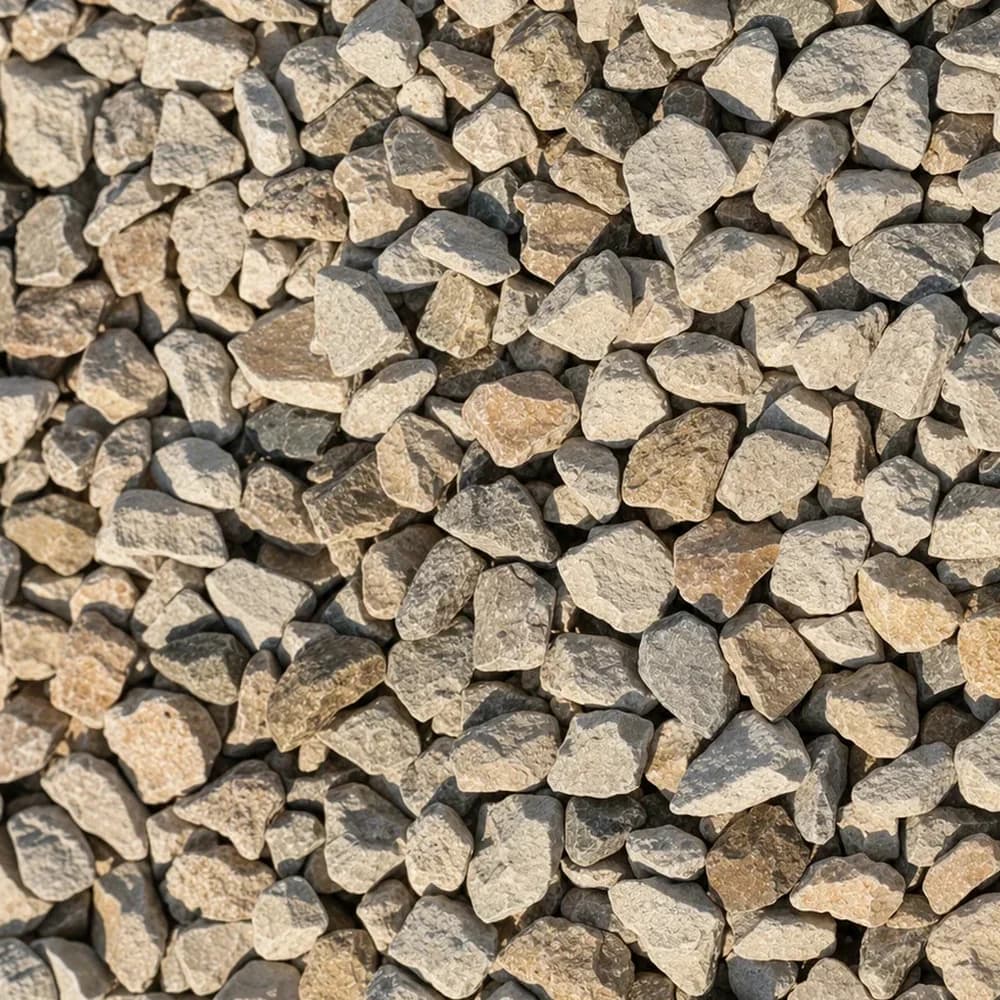
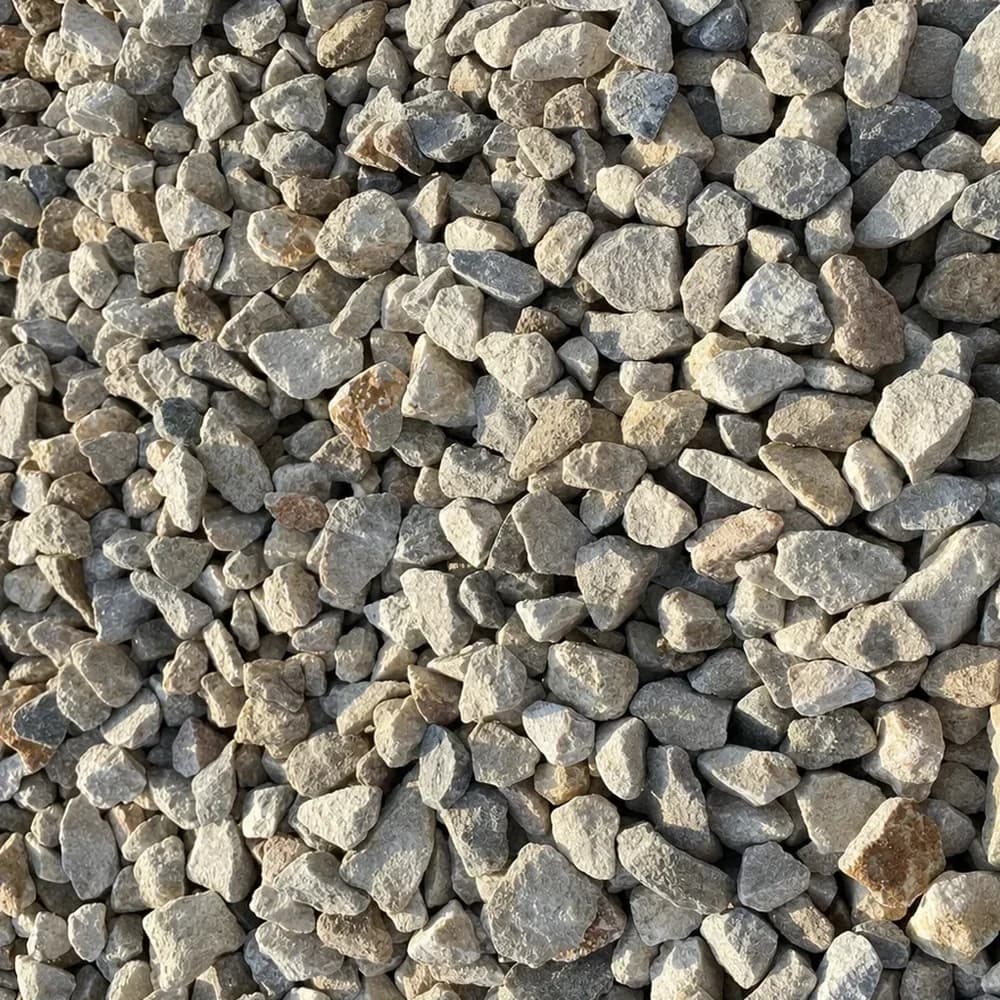
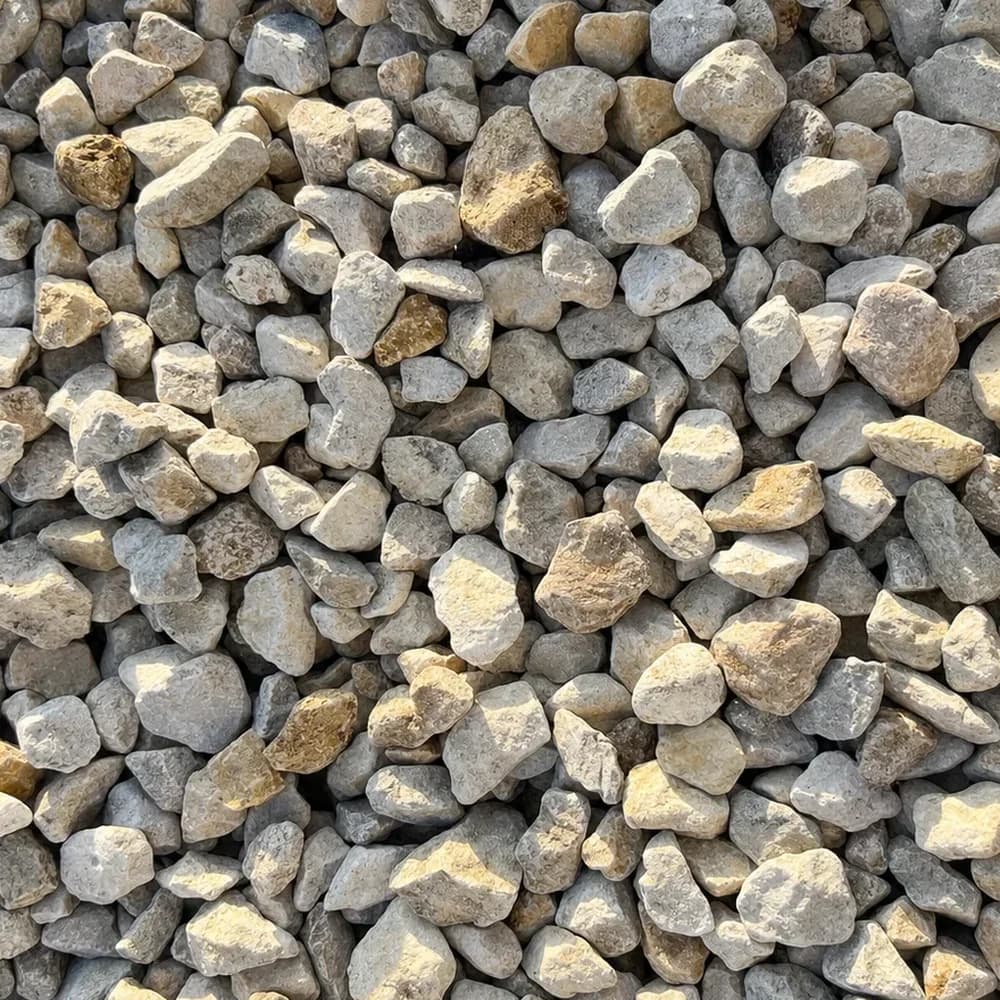
For Tennessee cleared slopes showing runoff damage, RipRap provides heavy stone protection for exposed soil along drainage paths and culvert outlets.
- Size: 4 inches to 12 inches and up
- Type: Large, heavy stone
From $434 for 1 ton, delivery included (larger loads cost significantly less per ton)
Free delivery included
Free delivery anywhere in Tennessee
Pick a delivery date
Weekday delivery, earliest Oct 29
“Got riprap delivered by this company and everything went really smooth. They kept me updated the whole time and were easy to communicate with. Super happy with how it turned out and I'd definitely order from them again.”
Diane C. · Verified Buyer
Get a Free Quote
Fill out the form and our sales team will get back to you within the hour.
Size and Grading
- Size
- 4 inches to 12 inches and up
- Type
- Large, heavy stone
The choice in front of most people ordering this is narrower than it looks. A summer storm has cut the ditch below a culvert into something that is now eating toward the lane, and there are two honest options: regrade it and hope the next storm is gentler, or put stone on it heavy enough that the water cannot move it. Regrading buys a season. RipRap is what you order when the same spot has failed twice and you would rather not look at it again.
The ditch below the culvert, and why it fails first
A pipe takes water that was spread across a hillside and concentrates it into a single jet. At the outlet that jet hits bare ground with all of its energy still in it, and clay gives way quickly once flow finds an edge to work at.
A plunge hole forms below the pipe, then the channel downstream starts cutting back toward it, because every storm follows the same line and each one takes a little more. By the time it is visible from the lane, the pipe is usually undermined and the ditch has a vertical face where it used to have a slope. The same mechanism cuts a creek bank and strips a cleared hillside: concentrated water, bare ground, nothing heavy enough in the way.
How riprap holds on karst clay and loess slopes
The material is large heavy stone, four inches to twelve and up. Size is the mechanism: moving water can carry a small stone and it cannot carry a piece that outweighs the force of the flow, and once the pieces are wedged against one another the whole face has to move before any single stone does. The rough surface also breaks the flow up and takes energy out of it, so water leaving the armored section has less left to spend on whatever is below.
Ground conditions change what sits under it more than what sits on top. In the Central Basin and the eastern limestone valleys, thin clay over rock sheds heavy rain fast and creeks rise quickly, so the flow is short and violent. In West Tennessee the loess is silty and highly erodible, so the stone has to bed on something that keeps soil from washing out between the pieces. Frost is not the driver here. Water is.
Local specification calls machined rip rap out by class, A-1 through A-3, B and C, which is how a plan sheet or a county drawing will describe a size band. Treat that as the local naming convention rather than as a certification this storefront holds, and match a plan class against what is actually being loaded before you order against it.
Keying the bottom course in before the rest goes on
The most common failure on a small job is not the stone size. It is that the lowest course had nothing holding it, and once the bottom moved, the face above slid after it.
- Shape the section first. Pull the plunge hole and the undercut back to a slope the stone can sit on rather than dropping stone into a hole.
- Lay filter fabric across the area and up the sides, with generous overlaps. On loess and soft clay this is not optional.
- Dig a shallow trench at the toe and set the first course into it, largest pieces first, so the bottom of the face sits below the channel bed.
- Work upward, fitting pieces so they bear on one another rather than on the fabric, and push smaller pieces into the gaps to lock the face.
- Carry the edges into undisturbed ground at the top and both sides. Flow finds any seam that ends flush with the surface.
As a working rule, make the layer at least as thick as the largest stones in it. A cover thinner than the stone is a scatter, not an armor layer, and the first storm sorts it out.
#57 stone and river rock measured against it
Two materials get suggested as substitutes and each one is right somewhere else.
A washed graded stone such as #57 stone is the correct choice for a drain, a backfill or a shallow swale that carries a trickle. Put it in a ditch that takes a storm surge and it goes downstream. It is also the bedding course between fabric and heavy stone where a layered section calls for one.
Rounded river rock is the decorative answer. It reads better in a yard, but rounded pieces roll where angular ones wedge, so it belongs in a dry creek feature carrying occasional runoff rather than in a channel taking concentrated flow. Large river rock closes some of that gap where the look matters and the flow is moderate.
The honest split: if the water gets fast and stays fast, order the heavy angular stone. If the feature is there to be looked at, order the rounded one.
Counting stone for a culvert apron, a rock garden bank and a shed pad
Three hypothetical examples, worked the way the site calculator does it: length times width times depth in inches, divided by twelve, divided by twenty seven.
An apron below a culvert, 14 feet long by 9 feet wide at twelve inches. 126 square feet. 126 x 12 = 1,512, divided by 12 = 126 cubic feet. Divided by 27 = 4.7 cubic yards. Rip rap runs about 3,100 lb a cubic yard on this site's published figures, roughly 1.55 tons, so that apron is approximately 4.7 x 1.55 = 7.3 tons. Carry it up the ditch sides as well as along the bottom, because the flow climbs the banks as it leaves the pipe.
A stone bank behind a rock garden bed, 20 feet by 7 feet at ten inches. 140 square feet. 140 x 10 = 1,400, divided by 12 = 117 cubic feet. Divided by 27 = 4.3 cubic yards. This is the one case where the larger rounded stone is worth pricing against it for looks.
A shed pad 12 feet by 16 feet is the third example, and it is here to be ruled out. Heavy angular stone will never make a level surface a floor can sit on. What that pad wants is six inches of compacted Crusher Run: 192 square feet, x 6 = 1,152, divided by 12 = 96 cubic feet, divided by 27 = 3.6 cubic yards.
Those figures are cubic yards. Large stone never packs tight, so treat them as the upper end of what a section holds, and run the numbers through the rip rap calculator for the tonnage to order.
Marking a drop as near the ditch as the truck can safely get
Every foot between the pile and the work gets crossed by hand or by machine, and this is the heaviest material in the catalogue to move, so the drop spot is the decision worth spending time on.
Walk the access before you book. Look for firm ground the truck can stand on, a route that does not cross a soft shoulder or a culvert you are unsure of, and a spot as close to the section as it can reach. On a long run it is worth asking whether the load can be set down in two or three piles along the work. Delivery is arranged at checkout by ZIP code and the truck needs clear access to somewhere it can tip; the delivery page explains how that is arranged.
Have the fabric cut, the section shaped and the machine on site before the load lands. Then measure the area, work the yardage, and set your quantity and date on this page. If the bank is tall, the ditch sits in a drainage easement, or the access worries you, describe it through the contact page before you order. Still weighing sizes against one another? The full product list sits alongside this one.
Quickly Calculate How Much You Need
Material: RipRap
How to Measure
Measure the length and width of your project area in feet
Decide on depth in inches (2" for landscaping, 4" for driveways)
Enter the values above and we'll calculate the tonnage you need
Need help figuring out the right amount? We can help!
Call or text us at (615) 908-6867 and we'll help you calculate the right quantity for your project.
Not sure how much you need? The Rip Rap Calculator has depth guides, coverage charts and worked examples for this material.
Frequently Asked Questions About RipRap
Customer Reviews
Got riprap delivered by this company and everything went really smooth. They kept me updated the whole time and were easy to communicate with. Super happy with how it turned out and I'd definitely order from them again.
Diane C. · Murfreesboro, TN · Verified Buyer
Needed riprap for a drainage area, and ordering was simple with these guys. Delivery showed up when expected and the whole load looked great.
Kevin C. · Nashville, TN · Verified Buyer
Needed riprap for a drainage spot and Tennessee Rock Supply made it super easy. Delivery came exactly when expected, and the free delivery was a nice bonus.
Michelle L. · Memphis, TN · Verified Buyer
Needed riprap delivered for a drainage project, and these guys made it easy. Pricing was fair, delivery was on time, and I'd definitely use them again.
Karen S. · Knoxville, TN · Verified Buyer
Ordered riprap from them and it showed up right when they said it would. Free delivery was a huge help, and they kept me updated the whole time. Really happy with how easy it all was.
Michelle C. · Nashville, TN · Verified Buyer
RipRap has 5 verified customer reviews with an average rating of 5 out of 5.