Crusher Run for Tennessee Drives, Pads and Clay That Keeps Rutting
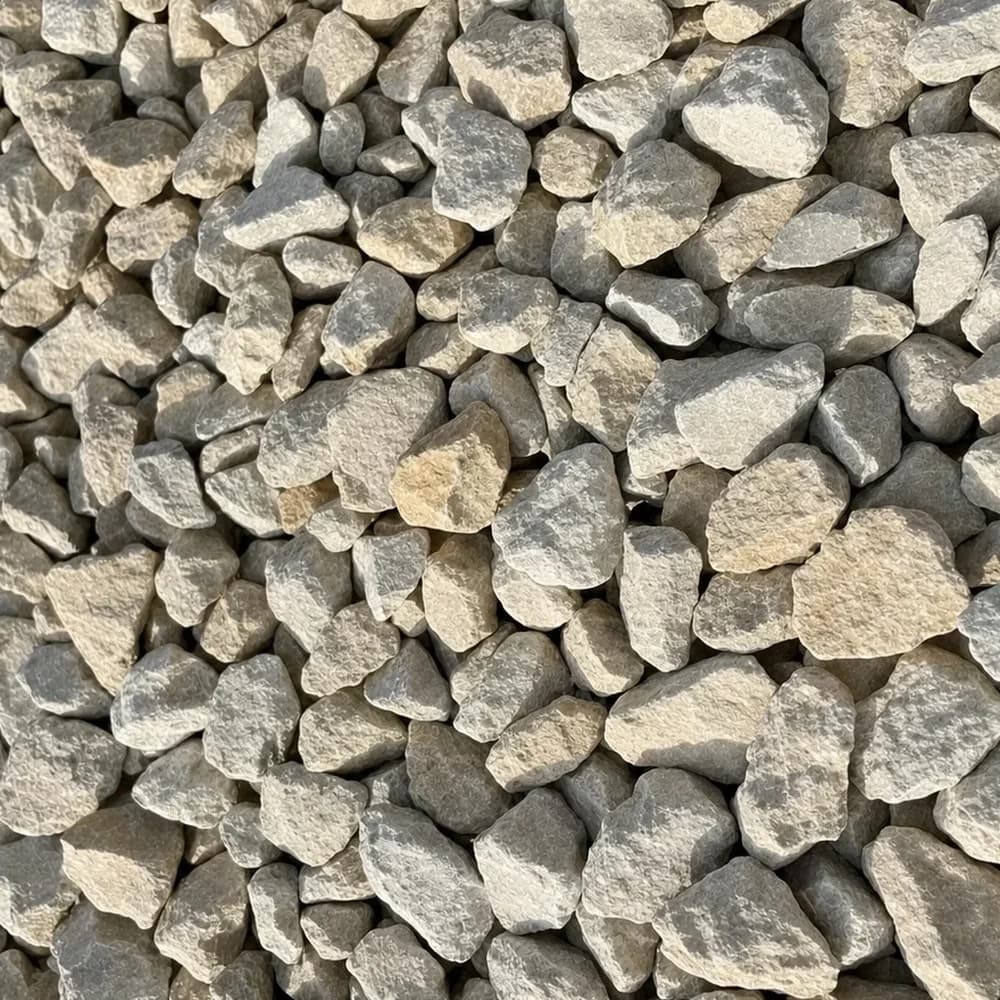
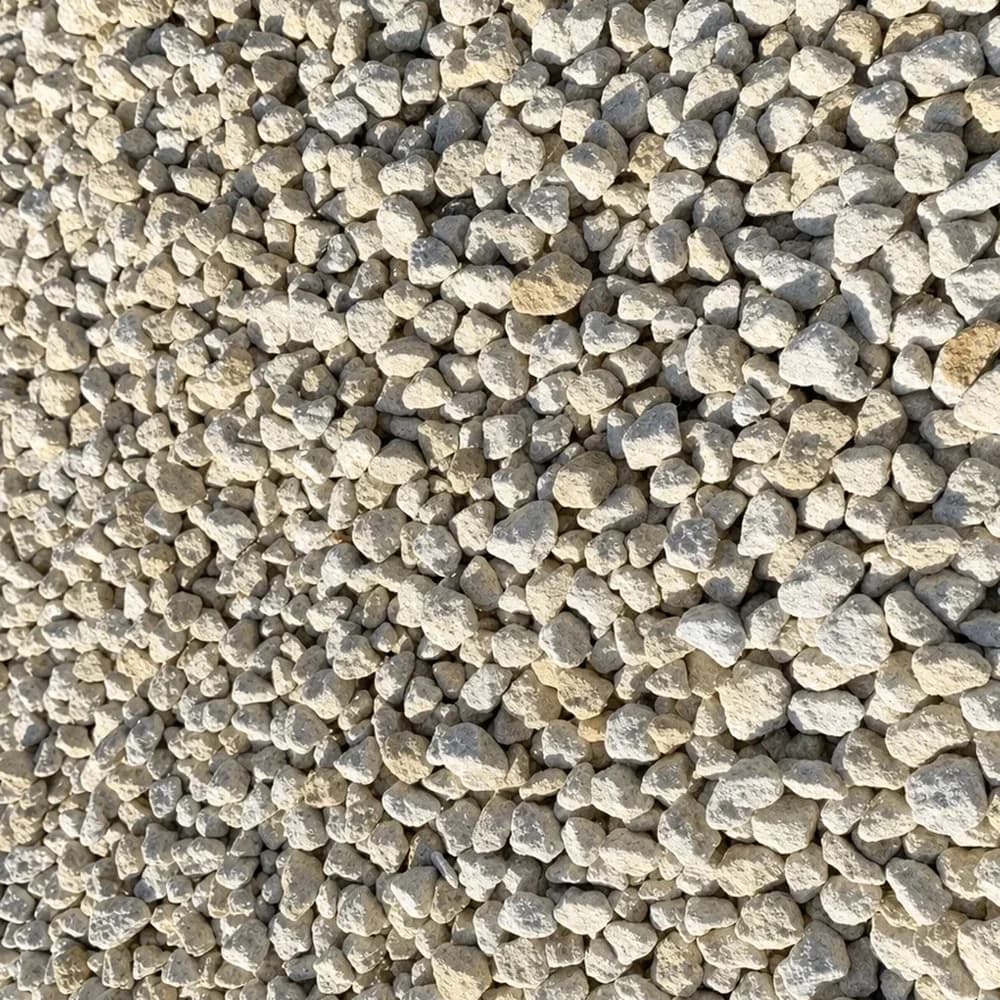
Crusher Run settles into a dense base for Tennessee driveways, barn pads, and patio work on rocky or fast-draining ground.
- Size: 3/4 inch minus
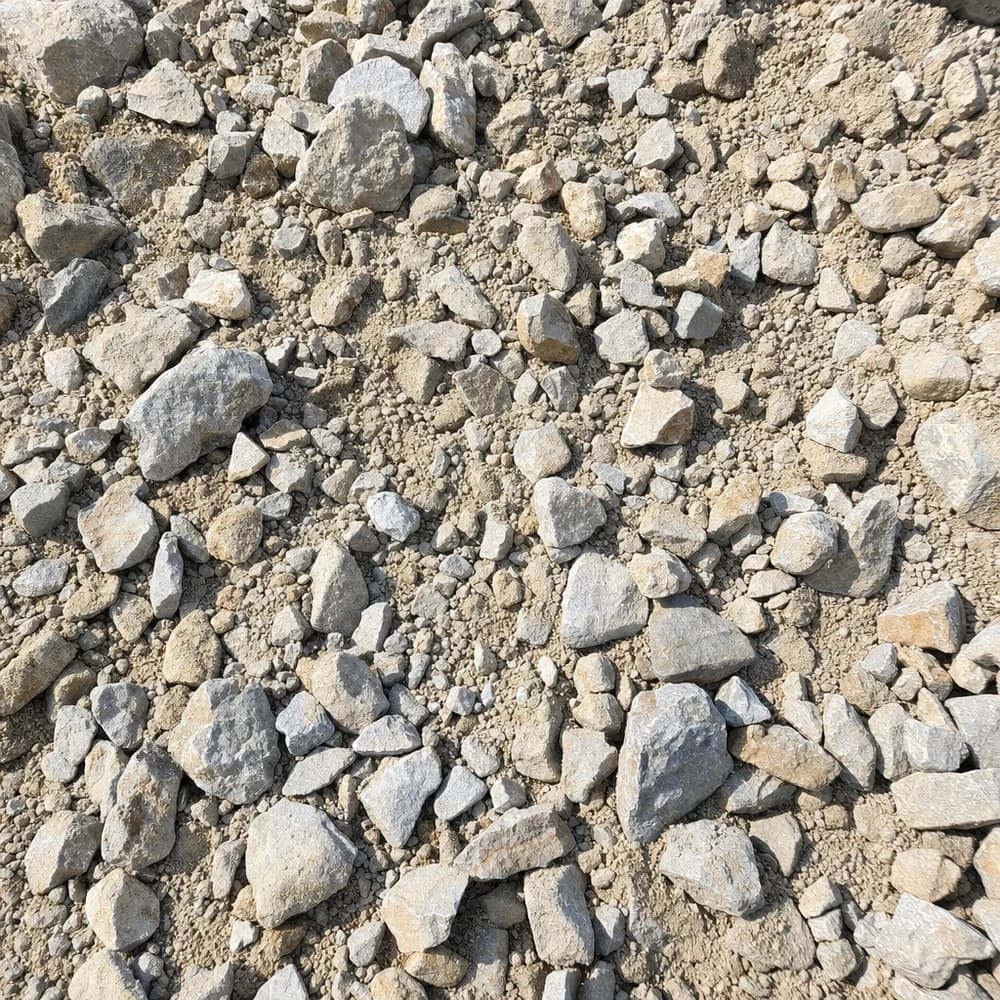
- Grading: Crushed stone blended with stone dust and fine particles
- Type: Angular crushed stone
From $393 for 1 ton, delivery included (larger loads cost significantly less per ton)
Free delivery included
Free delivery anywhere in Tennessee
Pick a delivery date
Weekday delivery, earliest Oct 29
“Got crusher run from Tennessee Rock Supply and it showed up right when I needed it, would definitely order again and recommend them.”
Wendy F. · Verified Buyer
Get a Free Quote
Fill out the form and our sales team will get back to you within the hour.
Size and Grading
- Size
- 3/4 inch minus
- Grading
- Crushed stone blended with stone dust and fine particles
- Type
- Angular crushed stone
Most of the ground a hobby farm sits on around here is cherty clay over limestone, and clay has one habit that decides everything else: it holds water, and when it holds water it loses its strength. Park a tractor on saturated clay and the tire does not sit on the ground, it sinks into it. That is the cycle crusher run interrupts. It is a three quarter inch minus blend of angular crushed stone with the stone dust left in, and the reason it is the standard driveway and pad stone in this state is that it packs into something the clay underneath can no longer soften.
The ruts that come back every spring, and what causes them
A rut is not really a gravel problem. It starts when water gets into the ground under the gravel and stays there, which on a clay hillside happens every wet winter and again through the spring.
Once the subgrade goes soft, traffic pumps it. The tire pushes down, the soft clay squeezes sideways and up, and whatever stone was there gets mixed into the mud a little more each pass. By the third spring there is no layer left, just gravel scattered through churned ground.
The fix has two halves. Water has to leave, which is a matter of crown and ditch rather than of material. And the layer on top has to be dense enough that loads spread out across it instead of concentrating under each tire.
How crusher run behaves on cherty clay and thin ridge soil
The blend is graded so that every gap between the larger angular pieces has a smaller piece or a bit of dust to fill it. Dampen it and roll it and those fines migrate into the voids, the angular faces lock against each other, and the result is a layer that behaves more like a slab than a pile of stone.
That density is also why water does not go through it. Crusher run sheds rain off the surface rather than letting it soak down to the clay, which is exactly what you want on a Highland Rim lot where the subsoil already drains slowly. It is also why the surface has to be shaped. Flat is wrong. A gentle crown, or a consistent fall to one side, keeps rain moving off instead of standing in a low spot and finding its way underneath.
On the Cumberland Plateau and the eastern ridges the soil is thinner and the rock is closer to the surface. That makes for a firmer subgrade, but it also means runoff arrives fast and concentrated, so the water plan matters as much there as the depth does.
Where the traffic is heavier than a pickup and a trailer, Dense Grade Base at one inch minus has the larger stone to carry it and is the deeper structural version of the same idea. Where the finish has to be smooth enough to bed pavers or flagstone on, the layer that goes over a compacted pad is screenings rather than more of this.
Shaping, damping and rolling a pad that holds
Five steps cover most jobs on a hobby farm.
- Strip the topsoil and any sod out of the footprint. Organic material rots, and anything that rots leaves a hollow behind.
- Shape the subgrade to the fall you want the finished surface to have, then compact it before a single stone goes down.
- Spread the crusher run in lifts of roughly three to four inches rather than in one deep layer, raking each lift out level as you go.
- Wet each lift lightly. Damp material packs. Bone dry material just moves around under the roller and wet material turns to soup.
- Roll each lift before the next one goes on. A plate compactor handles a shed or fire pit pad. A walk-behind or ride-on roller is the tool for a drive or a barn floor.
As a working depth, four inches compacted suits foot traffic and a car, six inches suits a pickup and a loaded trailer, and eight inches is a sensible figure where a tractor or a delivery truck is turning on it regularly. Those are practical figures rather than a published standard.
What the first wet winter does, and the upkeep after it
A new pad keeps tightening for the first few months. Traffic does some of the work the roller started, and after a run of rain and a few dry days the surface is usually harder than the day it went in.
What shows up in the first winter is any place the water plan was wrong. A low spot that holds a puddle will be the first soft patch. An edge with nothing holding it will spread outward and thin. Walk the drive after the first serious rain event, mark anything holding water, and fix the shape rather than adding stone to the hole.
After that the upkeep is light. Most drives here want a blade or a rake over the surface once a year to pull the crown back, and a partial top-up of the wear course every few years, either with more of the same material or with a surfacing course over it. Bare patches where the fines have washed off are the ones to catch early, because that is where water starts getting down. If the soft spot turns out to be the subgrade rather than the surface, the repair wants a washed stone with no fines under the rebuild so the water has a route out.
Yardages for a fire ring, a pole barn pad and a one-car drive
Three hypothetical examples, worked the way the site calculator does it: length times width times depth in inches, divided by twelve, divided by twenty seven.
A gravel surround around a fire ring, running from a five foot pit out to a twelve foot circle, at four inches. Area of the ring is 0.7854 x (144 minus 25) = 93 square feet. 93 x 4 = 372, divided by 12 = 31 cubic feet. Divided by 27 = 1.2 cubic yards.
A pole barn or equipment pad 30 feet by 40 feet at six inches. 1,200 square feet. 1,200 x 6 = 7,200, divided by 12 = 600 cubic feet. Divided by 27 = 22.2 cubic yards.
A single-car gravel drive 90 feet long by 10 feet wide at six inches. 900 square feet. 900 x 6 = 5,400, divided by 12 = 450 cubic feet. Divided by 27 = 16.7 cubic yards. Crusher run runs about 3,000 lb a cubic yard on this site's published figures, roughly 1.5 tons, so that drive is approximately 16.7 x 1.5 = 25 tons.
Those figures are cubic yards of finished layer. Run them through the crusher run calculator to get the tonnage to order, and take the option for a little extra if the subgrade is soft, because the first lift on soft clay always takes more than the arithmetic says.
Booking a load once the pad is staked out
Stake the footprint first, then measure it, then work the yardage. That order saves the second delivery.
Delivery is arranged at checkout by ZIP code and the truck needs clear access to a spot where it can tip, which on a hill lot usually means the flattest firm ground nearest the work rather than the closest. The delivery page covers how that gets set up. Have the compactor booked for the same week, because material that sits loose through a rain event has to be reworked. Pick your quantity and date on this page, or if the access is awkward, describe it through the contact page first. If you are still weighing this against a coarser or a finer material, the rest of the range sits alongside it.
Quickly Calculate How Much You Need
Material: Crusher Run
How to Measure
Measure the length and width of your project area in feet
Decide on depth in inches (2" for landscaping, 4" for driveways)
Enter the values above and we'll calculate the tonnage you need
Need help figuring out the right amount? We can help!
Call or text us at (615) 908-6867 and we'll help you calculate the right quantity for your project.
Not sure how much you need? The Crusher Run Calculator has depth guides, coverage charts and worked examples for this material.
Frequently Asked Questions About Crusher Run
Customer Reviews
Ordered crusher run from Tennessee Rock Supply and the ordering was easy. Free delivery was a nice bonus, and I'm really happy with how it all turned out.
Hank B. · Clarksville, TN · Verified Buyer
Ordered crusher run from Tennessee Rock Supply, the price was fair and they delivered right when they said they would.
Stephanie A. · Memphis, TN · Verified Buyer
Got crusher run from Tennessee Rock Supply and it showed up right when I needed it, would definitely order again and recommend them.
Wendy F. · Clarksville, TN · Verified Buyer
Went with them for crusher run and everything showed up right when I needed it. I'd definitely order again and recommend them to anyone needing a load delivered.
Kelly P. · Chattanooga, TN · Verified Buyer
Firm shed-pad base
I put this under a small shed pad. It compacted into a firm base without much fuss. It was a practical choice for the job at my Memphis, TN home.
Rowan E. · Clarksville, TN · Verified Buyer
Crusher Run has 5 verified customer reviews with an average rating of 5 out of 5.