Driveway Gravel for Tennessee Lanes, Barn Pads and Parking
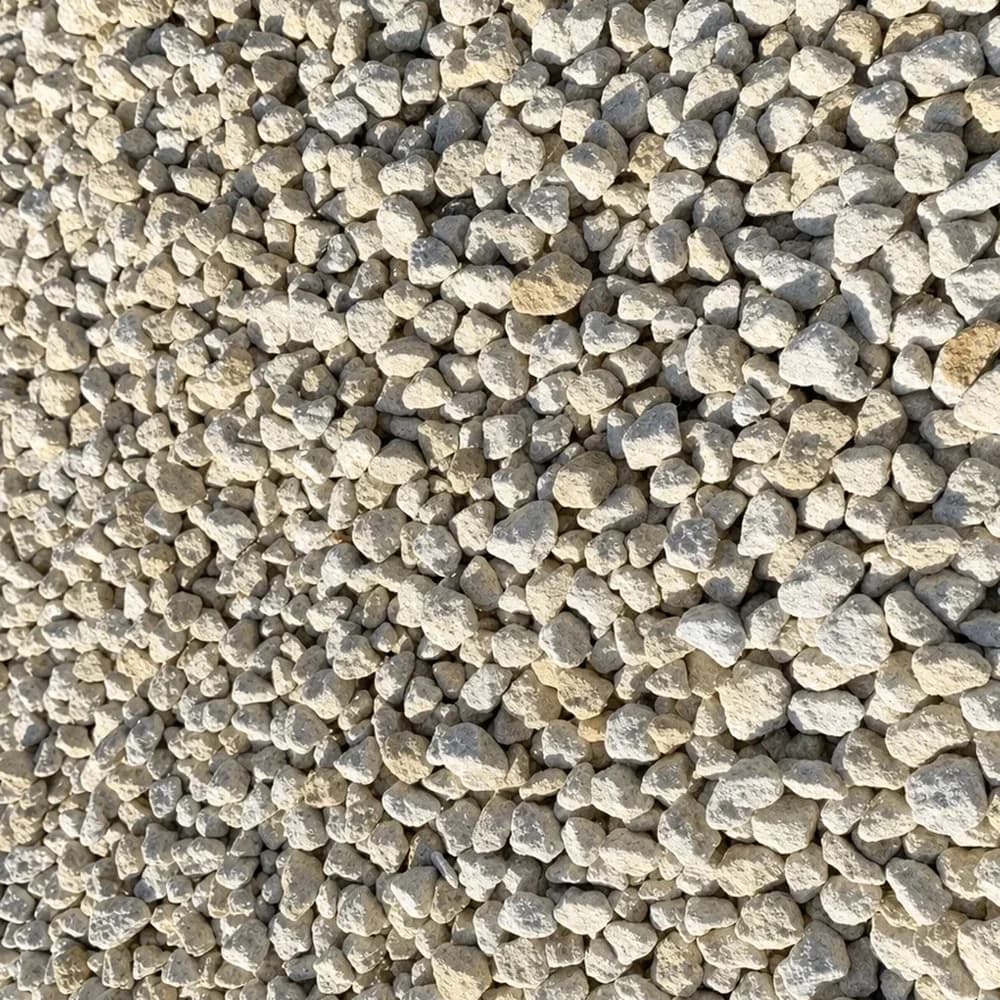
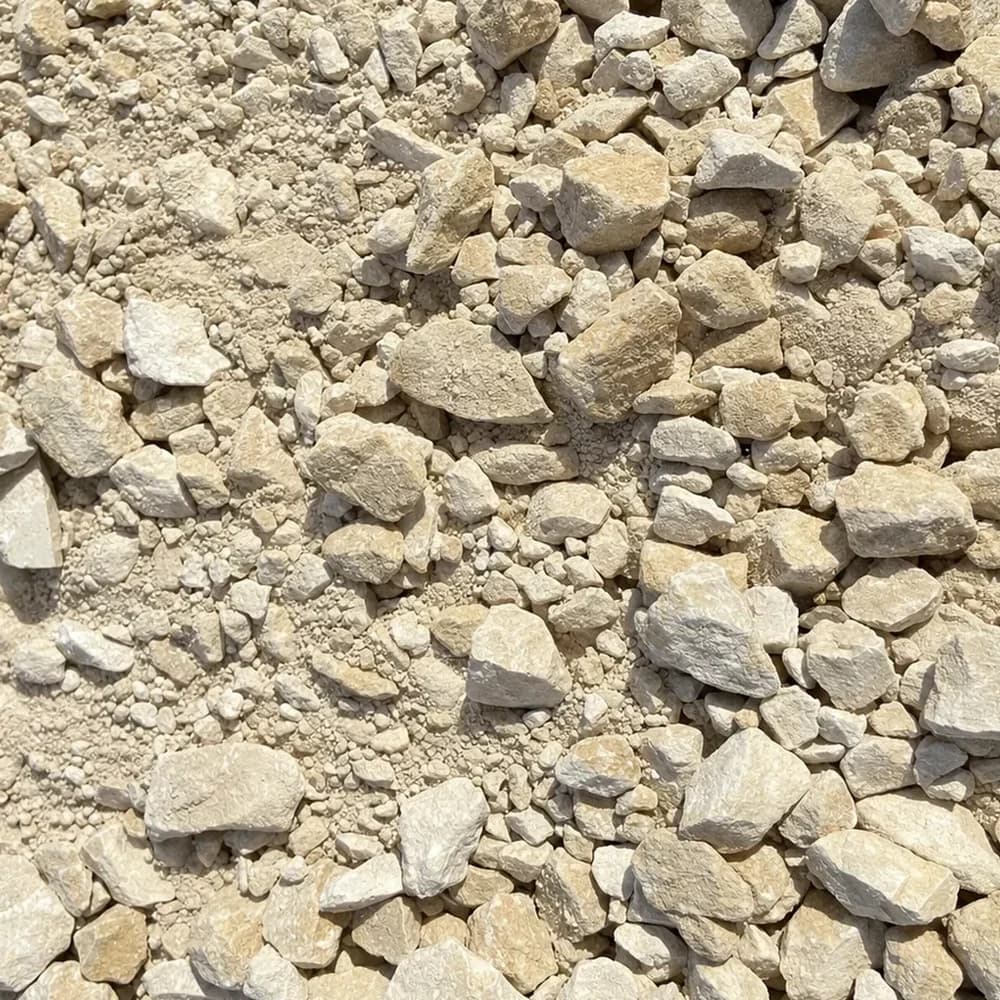
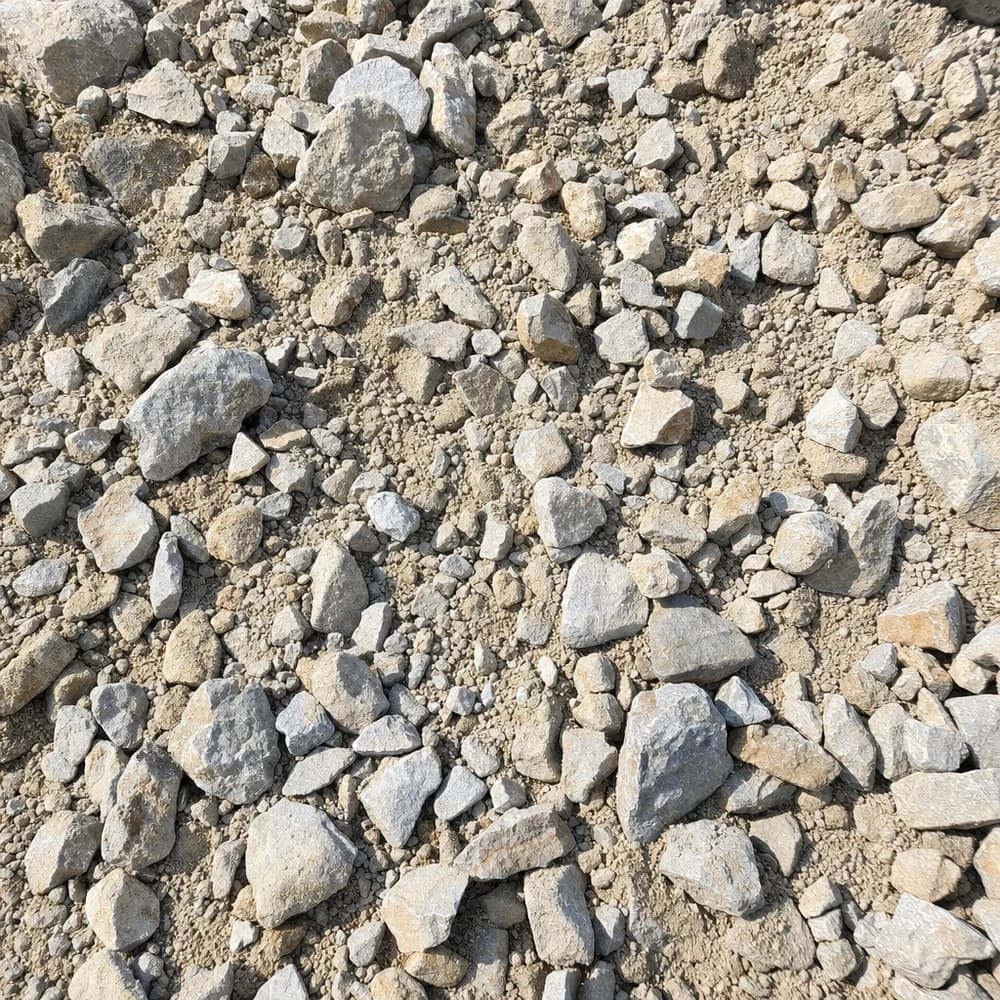
Once placed and packed, Driveway Gravel makes a settled traffic surface for Tennessee entrances, barn pads, and parking areas.
- Size: 3/4 inch
- Grading: Graded mix of stone sizes
- Type: Crushed stone
From $400 for 1 ton, delivery included (larger loads cost significantly less per ton)
Free delivery included
Free delivery anywhere in Tennessee
Pick a delivery date
Weekday delivery, earliest Oct 29
“Picked up on time and these guys made the whole driveway gravel order easy. Price was fair and it felt like good value for what I got. I'm really happy with how it turned out and would use them again.”
Christine D. · Verified Buyer
Get a Free Quote
Fill out the form and our sales team will get back to you within the hour.
Size and Grading
- Size
- 3/4 inch
- Grading
- Graded mix of stone sizes
- Type
- Crushed stone
The question that brings most people here is not what the material is. It is whether a drive that keeps going soft needs a fresh surface or a whole new layer underneath it, and those are two different orders. On cherty clay over limestone, a lane that ruts in the same three places every February is short of base. A lane that has gone thin and bald but still holds its shape and its crown is short of surface. Driveway Gravel is the second answer: crushed stone at three quarters of an inch, graded across a mix of sizes so the pieces wedge together under a tire rather than rolling out from under it.
Do I need driveway gravel, or the base stone under it?
Stand on the drive after a wet week and push a screwdriver into a rut. If it goes in easily and comes out with orange clay on it, the clay is working up through the stone and the drive needs a compacted base course before anything else goes on. That job belongs to Crusher Run, or to the heavier Dense Grade Base where feed trucks and equipment use the route.
If the screwdriver stops on something firm and the trouble is only that the surface has thinned, scattered into the grass and lost its shape, then a topping layer is the whole job. That is what this material is sold for: the layer that takes the tires.
What does a graded 3/4 inch mix do that a washed stone will not?
Two things, and both come from the grading rather than the size.
A graded mix carries small pieces alongside the large ones, so the small material fills in around the big material and the layer knits into something solid. A washed single size such as #57 stone has had the fines taken out on purpose, which is exactly right in a drain and wrong on a drive: it stays loose, it shifts under a turning wheel and it rattles when you cross it.
The second is shape. Every piece here is crushed, so it has flat faces and corners that catch on the piece next to it. Rounded stone cannot do that, which is why a load of smooth river gravel spread on a lane ends up in the ditch by the second summer.
How does it hold on a Highland Rim lane after three weeks of rain?
Winter and spring rain, not frost, is what tests a drive in this state. Water gets under the stone, the clay beneath softens, and wheels start pumping that soft clay upward into the layer that was holding weight.
On the cherty clay of the Highland Rim and the hills around the Central Basin, the fix is drainage before stone. Crown the drive so water leaves it sideways, keep the ditches open, and make sure nothing uphill is discharging onto the running surface. On thin ground over rock along the eastern ridges the drive itself holds up better, but runoff arrives fast and will scour a bare lane that has no fall across it. Out west on silty loess ground the surface is easy to shape and quick to wash, so edges and fall matter more than depth does.
How deep does it go, and what has to be under it first?
Three to four inches of surface stone over a firm, compacted base is a working layer for cars and light trucks, and a rebuild from bare ground wants roughly twice that in total: a compacted base course of four to six inches with the surface on top of it.
The order of work matters more than the number.
- Strip sod and soft topsoil off the route rather than laying stone on it, because anything organic under a drive will rot and settle.
- Shape the subgrade to the crown or the cross fall you want the finished drive to have. Stone follows the shape underneath it.
- Compact the subgrade, and on soft clay put woven permeable fabric down before any stone, so the clay and the stone stay separate layers.
- Lay and compact the base course, then spread the surface layer and roll it while the material still has a little moisture in it.
What keeps a hill lane from washing out in a July storm?
Steep sections are where a Tennessee drive gives up first. A thunderstorm puts a lot of water on a short slope in a few minutes, and if that water runs down the wheel tracks it takes the surface with it.
Break the run. Cross fall on the steep section sends water off the side before it gains speed, a shallow diversion bar near the top of a long grade does the same, and a turnout every so often gives the water somewhere to leave. Where the outfall lands on bare clay, armor it with RipRap rather than letting it cut a gully.
How many tons for an RV pad, a rural lane and a short garden path?
Three hypothetical examples, worked the way the calculator on this site works: length times width times depth in inches, divided by twelve, divided by twenty seven, then multiplied by weight. Graded crushed gravel runs about 2,800 lb per cubic yard on this site's published figures, near enough 1.4 tons per yard.
A parking pad for an RV or a boat, 35 feet by 12 feet, surfaced four inches deep. 35 x 12 = 420 square feet. 420 x 4 = 1,680, divided by 12 = 140 cubic feet. Divided by 27 = 5.2 cubic yards, which is about 7.3 tons.
A rural lane 400 feet long and 10 feet wide, topped three inches deep. 4,000 square feet. 4,000 x 3 = 12,000, divided by 12 = 1,000 cubic feet. Divided by 27 = 37 cubic yards, or roughly 52 tons. That is the topping only. If the same lane needed a new base course as well, count that separately.
A garden path 30 feet by 3 feet at two inches. 90 square feet. 90 x 2 = 180, divided by 12 = 15 cubic feet. Divided by 27 = 0.6 cubic yards, about 0.8 tons. Three quarter inch stone is coarse underfoot on a path people walk barefoot, so Walkway Gravel is usually the better buy at that scale.
Check any of those in the gravel calculator, which will also add a little extra if you want cover for the edges.
What has to be ready before the truck tips a load?
Decide where the stone lands before the day rather than during it. A tandem load wants firm ground, overhead clearance and room to raise a bed, and the closer that spot is to the work the less you move by wheelbarrow or bucket.
Have the route shaped and compacted first, because gravel spread on soft ground is gravel you will be regrading. Delivery is arranged at checkout by ZIP code, and the driver needs clear access to a spot where the truck can tip safely, which is covered on the delivery page. Measure the drive, run the tonnage, then set an amount and a date on this page. If the lane in is steep, narrow or crosses a culvert you are unsure of, describe it through contact before you order.
Quickly Calculate How Much You Need
Material: Driveway Gravel
How to Measure
Measure the length and width of your project area in feet
Decide on depth in inches (2" for landscaping, 4" for driveways)
Enter the values above and we'll calculate the tonnage you need
Need help figuring out the right amount? We can help!
Call or text us at (615) 908-6867 and we'll help you calculate the right quantity for your project.
Not sure how much you need? The Gravel Calculator has depth guides, coverage charts and worked examples for this material.
Frequently Asked Questions About Driveway Gravel
Customer Reviews
Needed driveway gravel and these guys got it here on time. Driver was friendly and careful about where he placed it, really happy with the whole thing.
Stephanie B. · Clarksville, TN · Verified Buyer
Had driveway gravel delivered and I'm really happy with how it turned out. They kept me updated the whole time and were easy to communicate with. Delivery showed up on the day they promised, so I'd definitely use them again.
Jason F. · Franklin, TN · Verified Buyer
Got driveway gravel from them, the price was fair and the driver was friendly and careful about where he placed it.
Maria S. · Franklin, TN · Verified Buyer
Picked up on time and these guys made the whole driveway gravel order easy. Price was fair and it felt like good value for what I got. I'm really happy with how it turned out and would use them again.
Christine D. · Clarksville, TN · Verified Buyer
Needed driveway gravel and this company made it super easy. Delivery came exactly when expected, and I'm really happy with how everything turned out.
Debbie E. · Memphis, TN · Verified Buyer
Evened out the driveway
This freshened the thin spots in my driveway. The surface is more even now and it has stayed in place well. It made the work at my Franklin, TN property much more straightforward.
Morgan L. · Memphis, TN · Verified Buyer
Driveway Gravel has 6 verified customer reviews with an average rating of 5 out of 5.
Driveway Gravel delivery across Tennessee
- Nashville
- Memphis
- Knoxville
- Chattanooga
- Clarksville
- Murfreesboro
- Franklin
- Johnson City
- Jackson
- Hendersonville
- Smyrna
- Spring Hill