Buy Bulk Gravel, Sand and Soil in Tennessee
Find your town: all 492 Tennessee cities we deliver to
Browse them A to Z: Adams to Heiskell · Helenwood to Sequatchie · Sevierville to Yuma.
Every Tennessee job starts with the ground under it, since the base has to drain and compact before any surface stone holds up. Tennessee Rock Supply handles bulk gravel and aggregate delivery across Tennessee, and crusher run is the base most jobs here start from.
Materials Delivered Across Tennessee
We stock the sizes Tennessee crews actually ask for, listed coarsest to finest so you can match stone to the job in front of you.
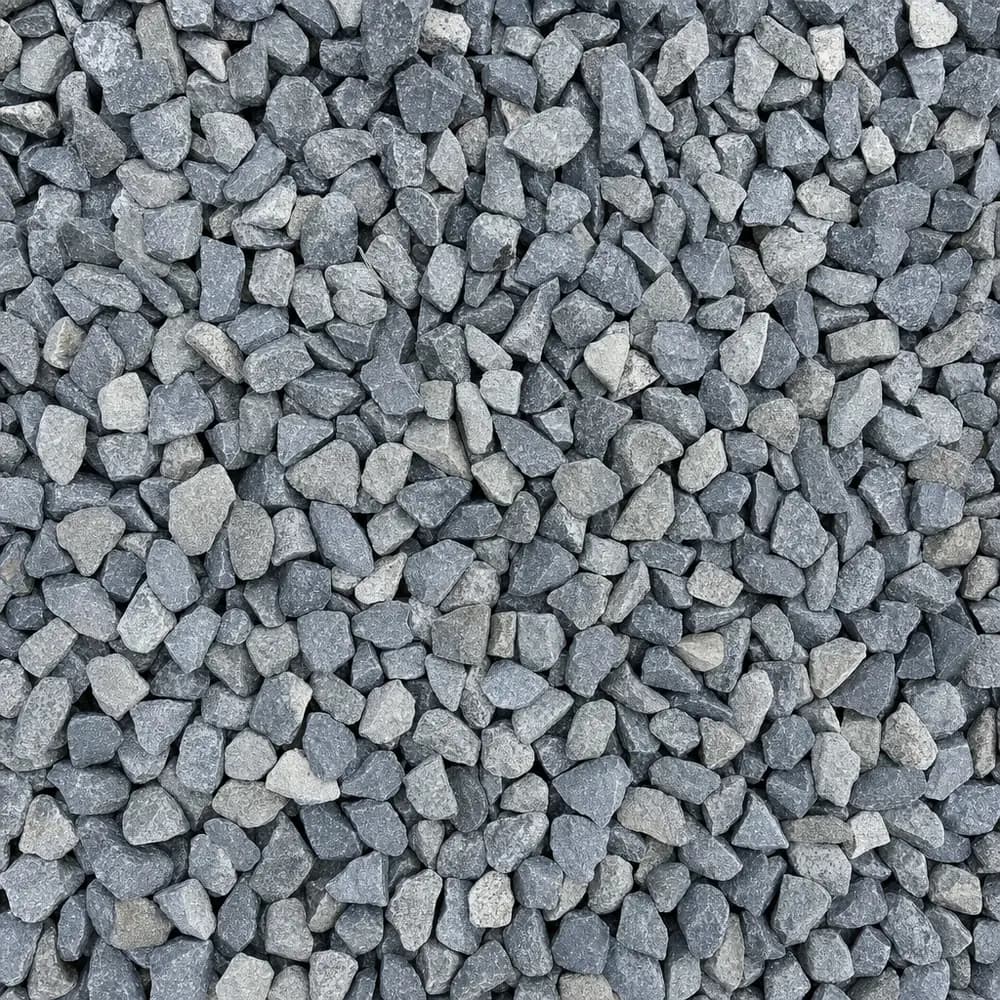
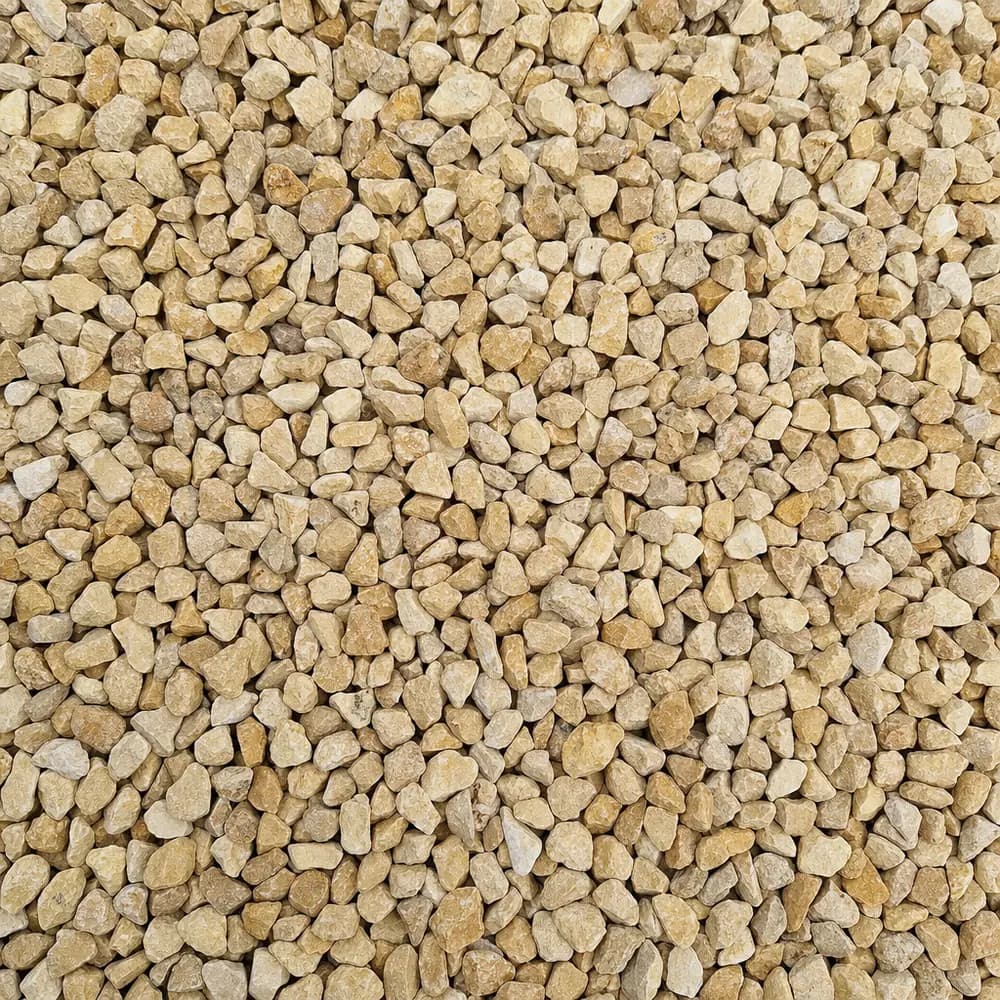
Crusher run carries the most weight in Tennessee. So if you are building a road, a lot or a heavier pad, order graded base stone as Crusher Run (Mineral Aggregate Base). For a driveway, a parking pad or a barn pad, order Crusher Run and compact it in lifts. Washed stone is specified by size number here, which is why you will hear #57, #67 and #4 on a Tennessee job, and screenings come in as Size No. 10. Top them with Driveway Gravel or a finer walkable surface in Walkway Gravel.
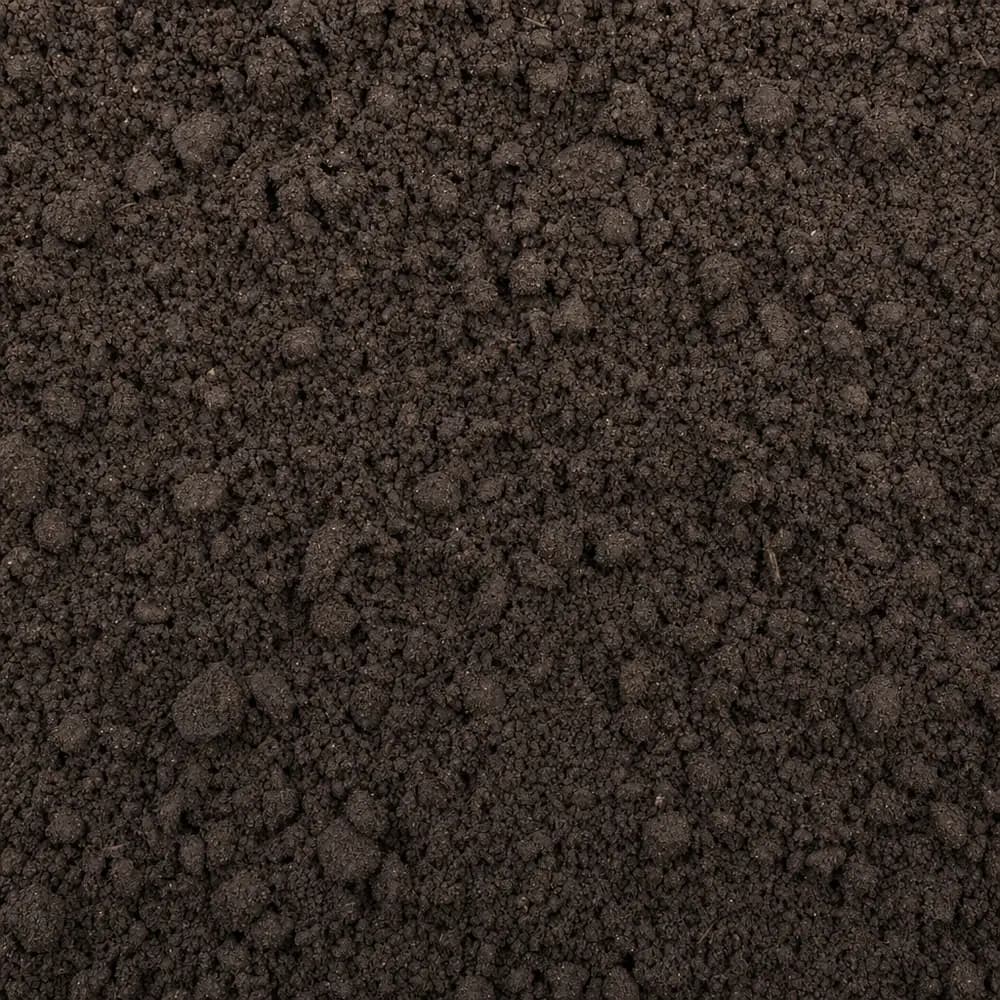
Beyond the crushed sizes, we deliver Mason Sand for brick and block work and paver joints, Washed Sand for bedding and base under slabs, and River Rock for decorative beds and dry creek beds. On the ground side, Top Soil goes over heavy clay and thin, rocky ground, and Fill Dirt builds up a pad before a base course goes down.
Ground and Climate Across Tennessee
Winter and spring are the wettest seasons statewide, so timing a delivery around wet ground saves you a wasted load. Wet clay and high water cause most delays in the lowlands and valleys, and the Plateau and mountains get more snow and ice on top of that.
Ground changes west to east, and so does the fix. In the Mississippi River Bottoms and Reelfoot Lake Lowlands, deep river-laid silt, sand and heavy clay sit on flat floodplain ground that drains slowly and stays wet in low spots, so plan on a thicker, better-draining base and keep the grade moving away from the pad.
In the Highland Rim, cherty clay soils with chert fragments sit over limestone and chert bedrock, hilly and deeply cut in the west and flatter in the east. In the Central Basin, clayey soils over limestone run thin, with rock at or near the surface in the flat cedar glade areas. Both areas drain underground through sinkholes and limestone openings, so do not push water into a low spot and expect it to leave.
In the East Tennessee Valley and Ridge, including the Sequatchie Valley, cherty clay, often red, sits over limestone and dolomite in the broad valleys, with thinner shaly soils in the knobby shale valleys and rocky, sandy soils on the long ridges. Creek bank scour is common in the limestone areas of Middle and East Tennessee, so arm the banks and culvert outlets with rip rap rather than letting the channel cut back.
Frost is shallow across Tennessee, and the residential code puts footings at least 12 inches below grade, with the local building department setting the frost line. The colder Plateau and mountains freeze more often than the western lowlands and the valleys, so schedule high-ground work when the ground is not locked up.
Where We Deliver in Tennessee
Tennessee Rock Supply covers the whole state, from Shelby County and the river bottoms in the west through Davidson County, Rutherford County, Williamson County, Montgomery County, Sumner County and Wilson County in Middle Tennessee, on to Knox County, Hamilton County, Sullivan County, Blount County and Washington County in the east.
Loads go out to contractors, farms, builders and homeowners, and lead time depends on your location and how the ground is holding water when you order. In wet stretches, a driveway or pad too soft to take a truck can hold up a delivery, so check the ground before you pick a delivery date at checkout. Order what the job calls for and we will route it to your site.
How to Order and Size a Load
Order online and choose by the ton or by the yard. Tons are the cleaner way to buy base and washed stone because weight is what governs compaction and coverage. Yards work well for sand, soil and mulch where volume is easier to picture.
Estimate quantity before you order. A materials calculator will take your length, width and depth and return a tonnage, and it is worth running twice: once for the compacted depth you want and once for the loose depth you will spread. Crusher run and graded base stone settle under compaction, so a driveway base ordered at 4 inches compacted is not the same as 4 inches dumped.
Have three things ready: the material name as you would say it on the job, the dimensions of the area, and where the truck can safely get to the pile. From there we match the size to the use and confirm the load.
Order Bulk Gravel and Aggregate in Tennessee
Tennessee Rock Supply delivers bulk gravel, sand and soil to jobs across the state, from Shelby County to Washington County, with the sizes Tennessee crews ask for by name. Figure your tonnage, pick your stone, and tell us where the truck is headed. Order your load today and we will get it on the road to your site.
Our Most Popular Products
Open a product to see your delivered price.
Driveway Gravel
From 1 Ton Delivered, FREE to your Doorstep
Walkway Gravel
From 1 Ton Delivered, FREE to your Doorstep
Top Soil
From 1 Ton Delivered, FREE to your Doorstep
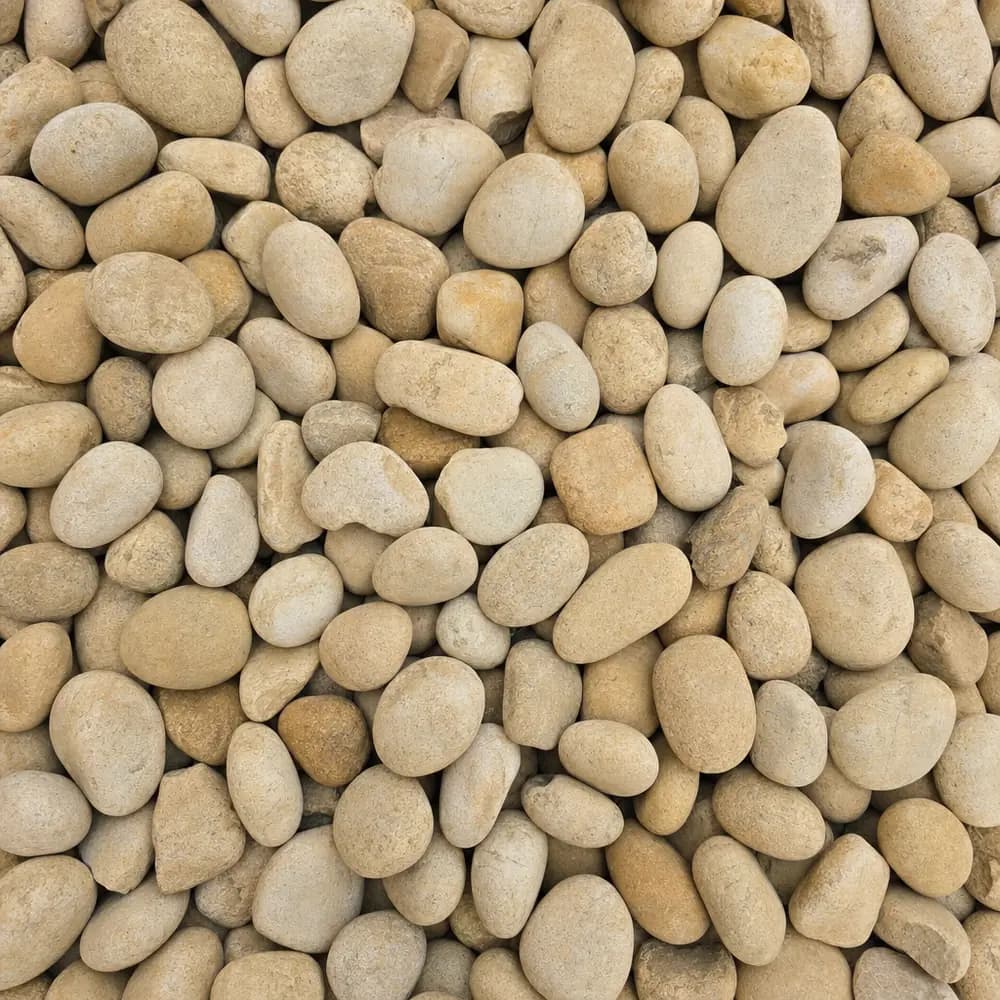
River Rock
From 1 Ton Delivered, FREE to your Doorstep
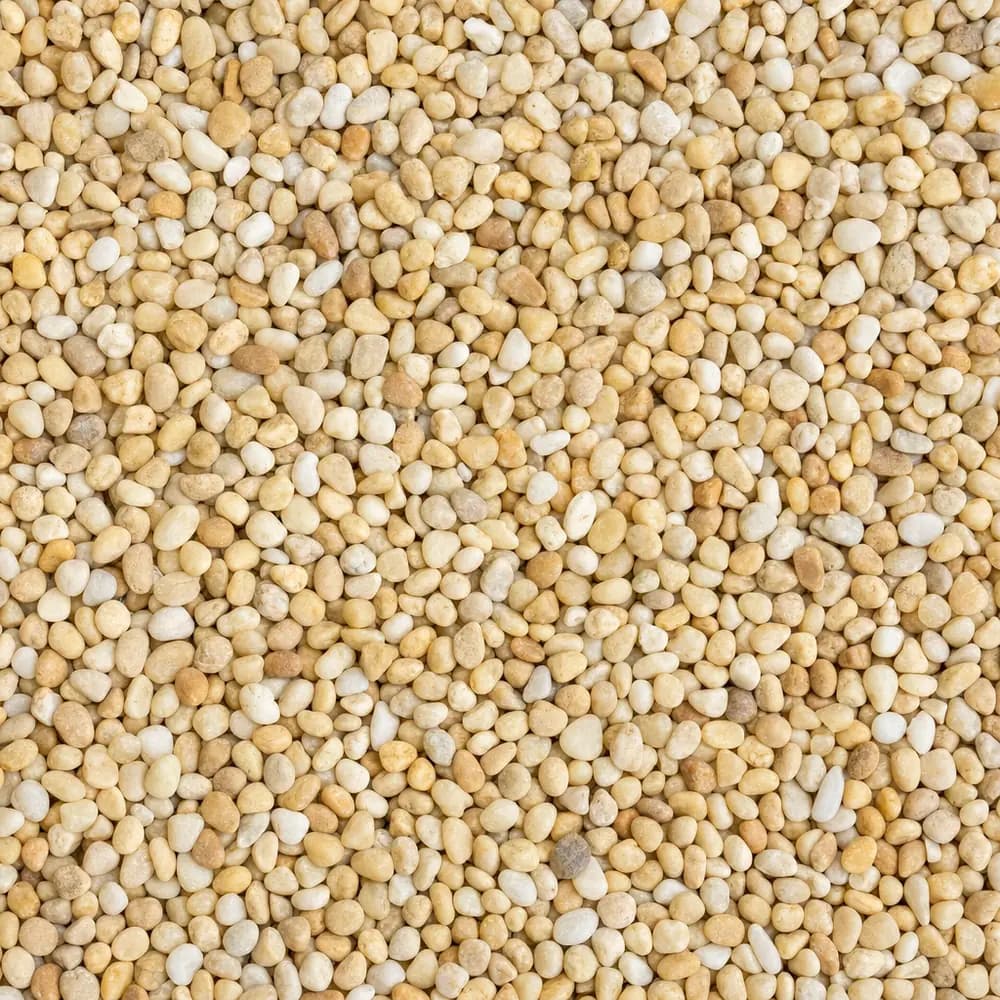
3/8" Natural Pea Gravel
From 1 Ton Delivered, FREE to your Doorstep
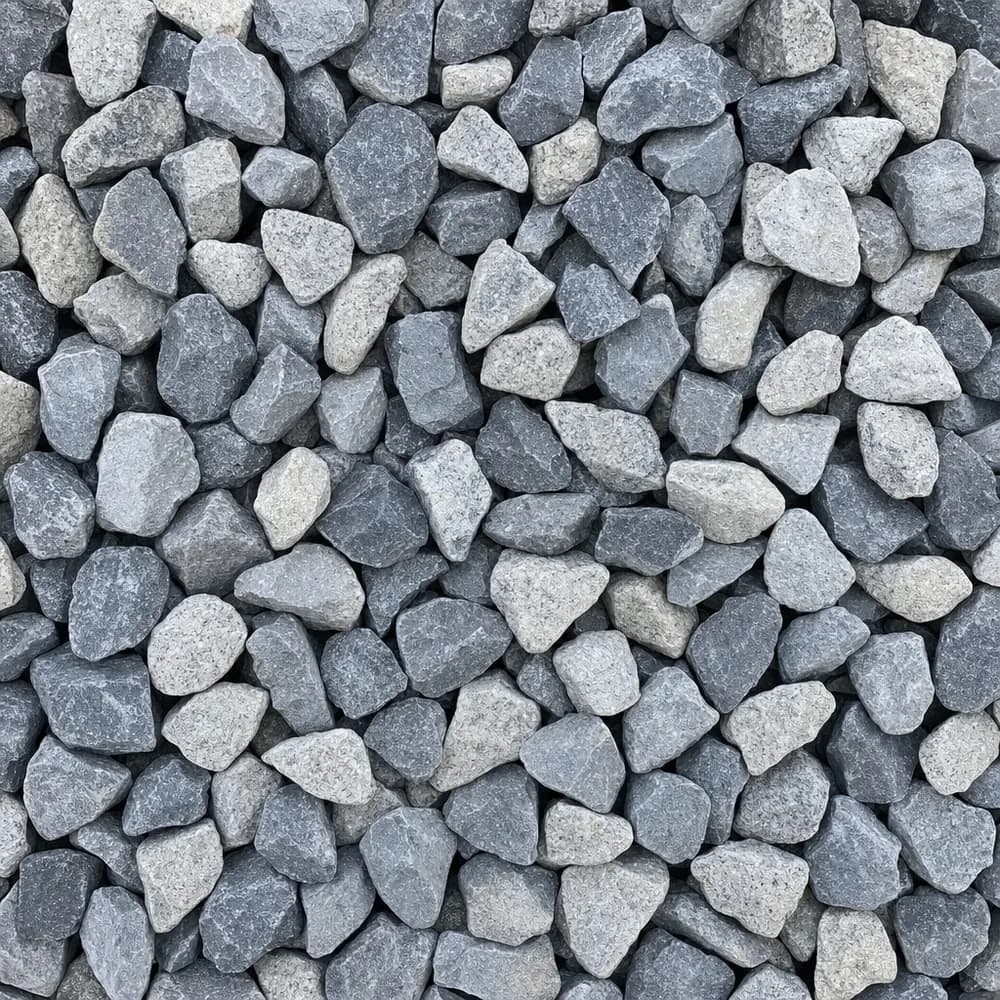
#57 Stone
From 1 Ton Delivered, FREE to your Doorstep
Frequently Asked Questions
Common questions about gravel and aggregate delivery in Tennessee
What is crusher run and what is it used for in Tennessee?
Crusher run is crushed stone with the fines left in, and it is the standard Tennessee driveway and base stone. Because the fines are still in the mix, it compacts into a hard, stable surface instead of staying loose.
How deep should a gravel driveway base be in Tennessee?
Base depth follows the ground under it, not a single number. On firm, well-drained ground, a compacted crusher run base built in lifts handles most residential drives. On the heavy clay and silty ground common in West Tennessee, or where the pad stays wet, go thicker and crown it so water runs off.
How much gravel do I need for my project?
Multiply length by width by depth in feet to get cubic feet, then convert to tons using the material's weight per cubic foot. Run the numbers at the compacted depth you want, not the loose depth you spread, because crusher run and graded base stone settle as they are compacted. A materials calculator does the same math.
Counties We Serve in Tennessee
- Anderson County
- Bedford County
- Benton County
- Bledsoe County
- Blount County
- Bradley County
- Campbell County
- Cannon County
- Carroll County
- Carter County
- Cheatham County
- Chester County
- Claiborne County
- Clay County
- Cocke County
- Coffee County
- Crockett County
- Cumberland County
- Davidson County
- Decatur County
- Dekalb County
- Dickson County
- Dyer County
- Fayette County
- Fentress County
- Franklin County
- Gibson County
- Giles County
- Grainger County
- Greene County
- Grundy County
- Hamblen County
- Hamilton County
- Hancock County
- Hardeman County
- Hardin County
- Hawkins County
- Haywood County
- Henderson County
- Henry County
- Hickman County
- Houston County
- Humphreys County
- Jackson County
- Jefferson County
- Johnson County
- Knox County
- Lake County
- Lauderdale County
- Lawrence County
- Lewis County
- Lincoln County
- Loudon County
- Macon County
- Madison County
- Marion County
- Marshall County
- Maury County
- Mcminn County
- Mcnairy County
- Meigs County
- Monroe County
- Montgomery County
- Moore County
- Morgan County
- Obion County
- Overton County
- Perry County
- Pickett County
- Polk County
- Putnam County
- Rhea County
- Roane County
- Robertson County
- Rutherford County
- Scott County
- Sequatchie County
- Sevier County
- Shelby County
- Smith County
- Stewart County
- Sullivan County
- Sumner County
- Tipton County
- Trousdale County
- Unicoi County
- Union County
- Van Buren County
- Warren County
- Washington County
- Wayne County
- Weakley County
- White County
- Williamson County
- Wilson County
Largest Cities We Serve in Tennessee
- Nashville, TN
- Memphis, TN
- Knoxville, TN
- Chattanooga, TN
- Clarksville, TN
- Murfreesboro, TN
- Franklin, TN
- Johnson City, TN
- Jackson, TN
- Hendersonville, TN
- Smyrna, TN
- Spring Hill, TN
- Kingsport, TN
- Gallatin, TN
- Collierville, TN
- Lebanon, TN
- Cleveland, TN
- Columbia, TN
- Brentwood, TN
- Mount Juliet, TN
- La Vergne, TN
- Germantown, TN
- Cookeville, TN
- Oak Ridge, TN
Tennessee Cities A to Z
492 cities and towns, listed alphabetically across 3 pages.