Washed Sand for Tennessee Slab Beds, Trenches and Leveling
Do not substitute excavated soil where a Tennessee concrete pour or trench needs selected fill. Washed Sand suits bedding, forms, and leveling.
- Size: Coarse-grained
- Grading: Washed; free of clay, silt and organic debris
From $622 for 1 ton, delivery included (larger loads cost significantly less per ton)
Free delivery included
Free delivery anywhere in Tennessee
Pick a delivery date
Weekday delivery, earliest Oct 29
“Grabbed washed sand from Tennessee Rock Supply and it showed up exactly when expected. The driver was friendly and really careful about where he placed it, couldn't ask for better.”
Chris N. · Verified Buyer
Get a Free Quote
Fill out the form and our sales team will get back to you within the hour.
Size and Grading
- Size
- Coarse-grained
- Grading
- Washed; free of clay, silt and organic debris
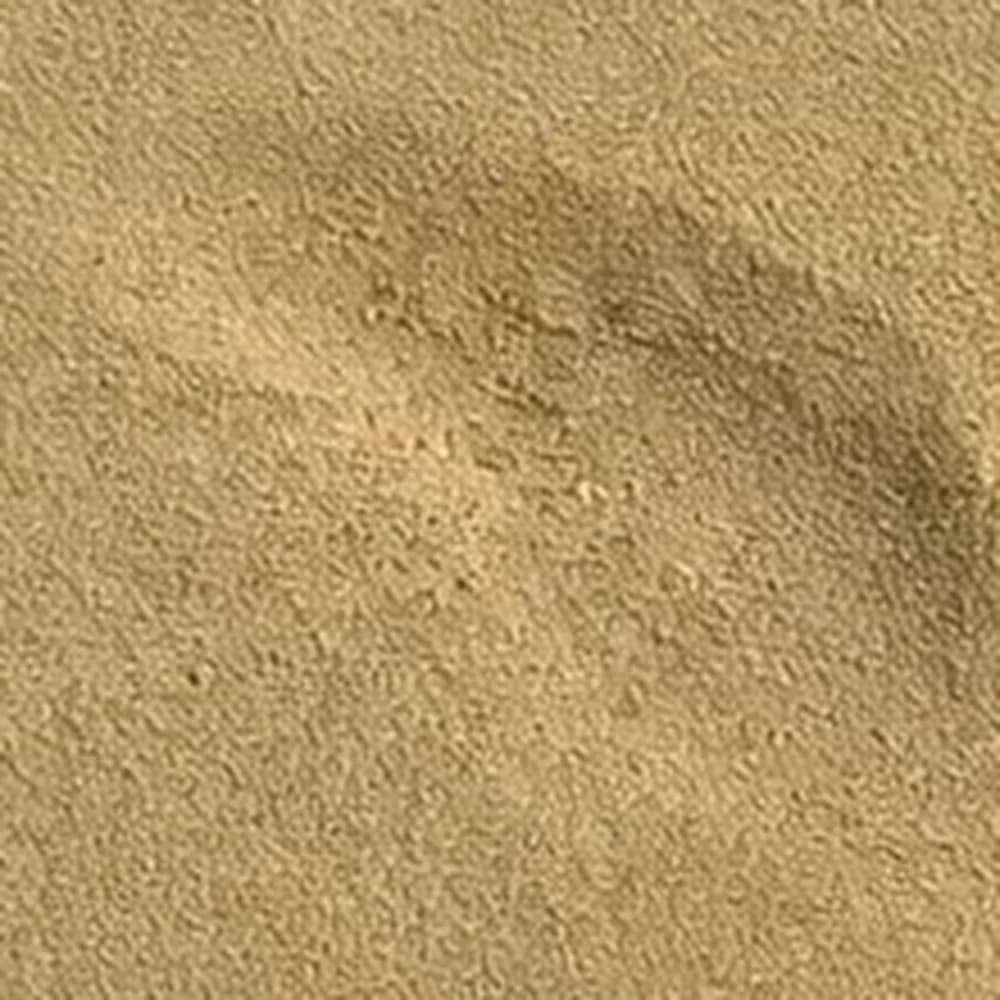
Pick up a handful off a fresh pile and the first thing you notice is that it does not behave like the material that came out of your own trench. There is nothing sticky in it. It is gritty between the fingers, the grains are visibly different sizes, and it pours off a glove clean instead of leaving an orange film behind. Washed sand has had the clay, the silt and the plant matter taken out of it on purpose, and on ground where every excavation turns up clay with chert through it, that is the whole reason to buy it rather than reuse what you dug.
What does a pile of washed sand feel like next to mason sand?
Put the two side by side and your hands answer the question.
Mason Sand is fine and even, closer to flour, and it is graded that way so mortar spreads smoothly and joints fill neatly. Squeeze it damp and it holds a shape.
This one is coarse and mixed. You can feel individual grains and they range in size, which is what makes it work as a structural material rather than a finishing one. That range lets it pack down under a screed and stay packed, and it lets water drain through rather than perching in it.
The practical rule is simple. Where the sand is going to be seen or worked with a trowel, order the fine one. Where it is going under something, around something or into a mix, order this one.
Can I use the sand that came out of the trench instead?
This is where most of the trouble on a job starts, and the answer is no more often than people want to hear.
Excavated material here is clay, silt or silty loess with a variable sand fraction and roots through it. Bedded around a pipe it will not work into the haunches, it holds water against the pipe, and it settles unevenly as the organic content breaks down, which is what puts a dip in a drive over a trench line two years later. In a concrete or mortar mix, clay on the grains weakens the bond directly.
Keep the spoil in its own pile and out of the trench. Backfill the structural zone with selected sand, and save the spoil for raising grade where it does no structural work, or replace it with Fill Dirt.
What does it do under a slab for an RV or boat pad?
A concrete pad for an RV or a boat is heavy, it is large enough to show any unevenness underneath, and on a hill lot it is usually sitting on a cut and fill platform where half the subgrade is undisturbed and half is placed material.
The sand is the leveling and bedding course between the compacted base and the slab. It screeds to a genuinely flat plane in a way that graded stone will not, it gives the reinforcement consistent cover, and it lets water that gets under the slab move rather than sit. The load is carried by the compacted base below it, usually Crusher Run, not by the sand.
Two inches is a working bedding depth for a slab. Thicker is not better; a deep sand layer is a layer that can shift.
Where does it go on a long rural lane?
Not on the surface. Sand on a lane is a rut waiting to happen, and the surface belongs to graded crushed stone.
Where it earns its place on a lane is underground. A culvert, a water line or a conduit run crossing the drive gets bedded and haunched in selected sand so the pipe is supported evenly along its length and along its circumference. That even support is what keeps a crossing from settling and putting a dip across the lane, and a dip across a lane on a grade becomes the place water collects and the surface fails.
Bed under the pipe, work the sand in under the haunches by hand, then bring it up over the crown before the graded backfill goes in above it.
Is it the right bedding for a flagstone garden path?
It works and it is not the best option here.
Coarse sand beds flagstone well enough, drains freely and is easy to relevel, which matters on a path where pieces get lifted and reset. The trade is that it does not bind, so on a sloping path or an exposed edge the bedding migrates in heavy rain, and this state gets heavy rain.
For a path that should stay put, Screenings tamp down damp into a rigid setting course and hold the pieces properly. Choose the sand where you want the path to stay adjustable, and the fines where you want it to stay put.
Does it need compacting, and with what?
Yes, and lightly. Screed it to depth, damp it down with a fine spray, then run a plate compactor across it in overlapping passes. Damp sand compacts; dry sand simply moves under the plate and saturated sand pumps. Around a pipe, tamp by hand in the haunch zone and keep the machine off the line until there is cover over it.
A vibrating plate is the right tool. A roller rides over loose sand without doing much, and a hand tamper is fine for a small trench but slow on a slab bed.
How many tons for the pad, the culvert run and the path?
Three hypothetical examples, worked the way this site's calculator works: length times width times depth in inches, divided by twelve, divided by twenty seven, then multiplied by weight. Washed sand runs about 2,700 lb per cubic yard on this site's published figures, near enough 1.35 tons per cubic yard.
A bedding course under a 30 foot by 12 foot slab for an RV or boat pad, two inches deep. 360 square feet. 360 x 2 = 720, divided by 12 = 60 cubic feet. Divided by 27 = 2.2 cubic yards, about 3 tons.
A pipe crossing under a rural lane, a trench 60 feet long and 2 feet wide with eight inches of sand bedding and haunching. 120 square feet. 120 x 8 = 960, divided by 12 = 80 cubic feet. Divided by 27 = 3 cubic yards, about 4 tons.
A flagstone garden path 24 feet by 3 feet on an inch and a half of sand. 72 square feet. 72 x 1.5 = 108, divided by 12 = 9 cubic feet. Divided by 27 = 0.33 cubic yards, roughly half a ton.
Work your own figures in the sand calculator, or the paver sand calculator where the job is a set surface.
Where should a load of sand land on the day?
Sand is the material that moves itself if you let it, so the drop spot decides how much of it you keep.
Pick somewhere flat and hard, put a tarp down first, and have a second tarp for the top, because an uncovered pile on a slope loses material to the first storm and sheds fines into whatever is downhill of it. Keep it well away from the excavated spoil so the two piles cannot merge. Delivery is arranged at checkout by ZIP code and the truck needs clear access to a place it can tip, which is set out on the delivery page. Measure, work the tonnage, then choose an amount and a date on this page. If the sand and the base course are landing on the same day and space is tight, describe the site through contact first.
Quickly Calculate How Much You Need
Material: Washed Sand
How to Measure
Measure the length and width of your project area in feet
Decide on depth in inches (2" for landscaping, 4" for driveways)
Enter the values above and we'll calculate the tonnage you need
Need help figuring out the right amount? We can help!
Call or text us at (615) 908-6867 and we'll help you calculate the right quantity for your project.
Not sure how much you need? The Sand Calculator has depth guides, coverage charts and worked examples for this material.
Frequently Asked Questions About Washed Sand
Customer Reviews
Grabbed washed sand from them and the free delivery made it an easy choice. The washed sand was spot on for what I needed, clean and easy to spread.
Dave W. · Nashville, TN · Verified Buyer
Grabbed washed sand from Tennessee Rock Supply and it showed up exactly when expected. The driver was friendly and really careful about where he placed it, couldn't ask for better.
Chris N. · Clarksville, TN · Verified Buyer
Ordering washed sand from Tennessee Rock Supply was simple, and I'm really happy with how it turned out, I'd definitely order again and recommend them.
Diane B. · Memphis, TN · Verified Buyer
Ordered washed sand from the team and it showed up as planned. Really happy with how easy it was and I'd definitely order again.
Kelly K. · Murfreesboro, TN · Verified Buyer
Washed Sand has 4 verified customer reviews with an average rating of 4.8 out of 5.