Screenings for Tennessee Paver, Flagstone and Pad Work
Also sold as #10 Stone Screenings
Also known as: lime dust
On Tennessee's thin ridge soils and karst ground, Screenings help finish the level course beneath pavers, brick, and flagstone.
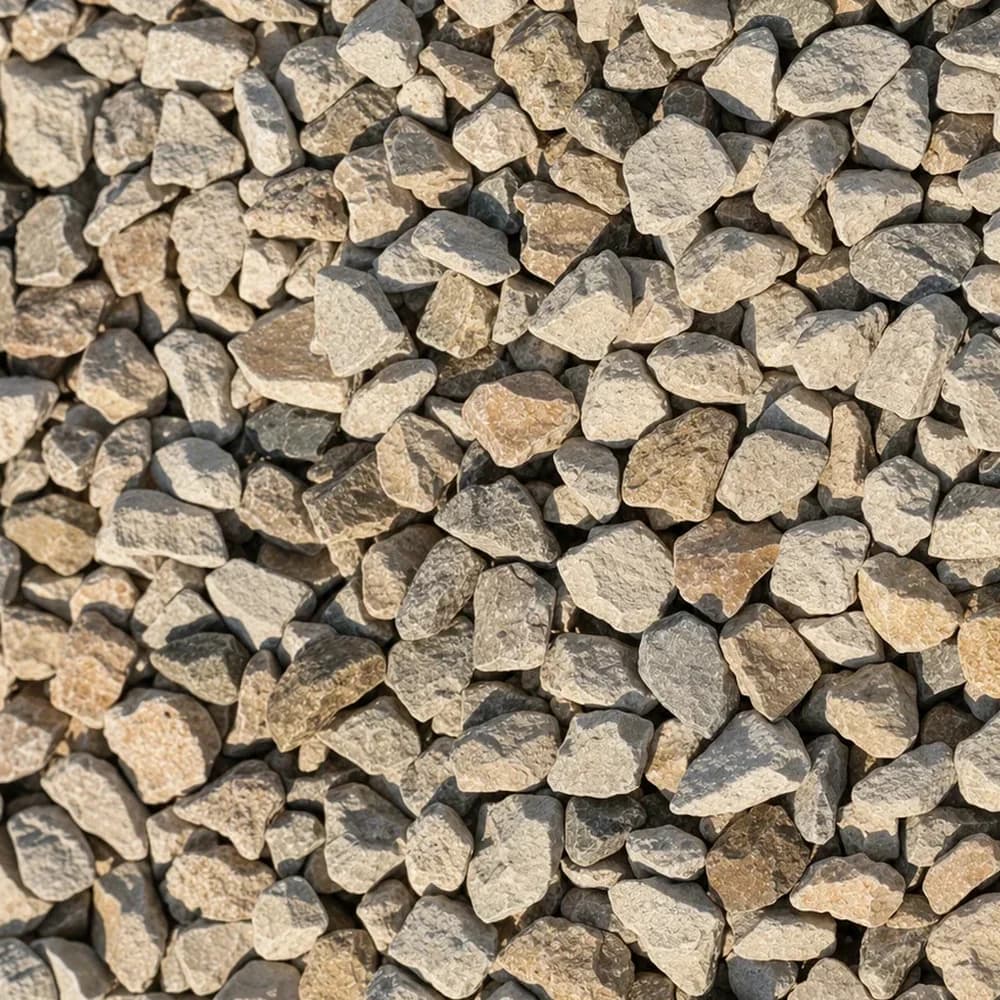
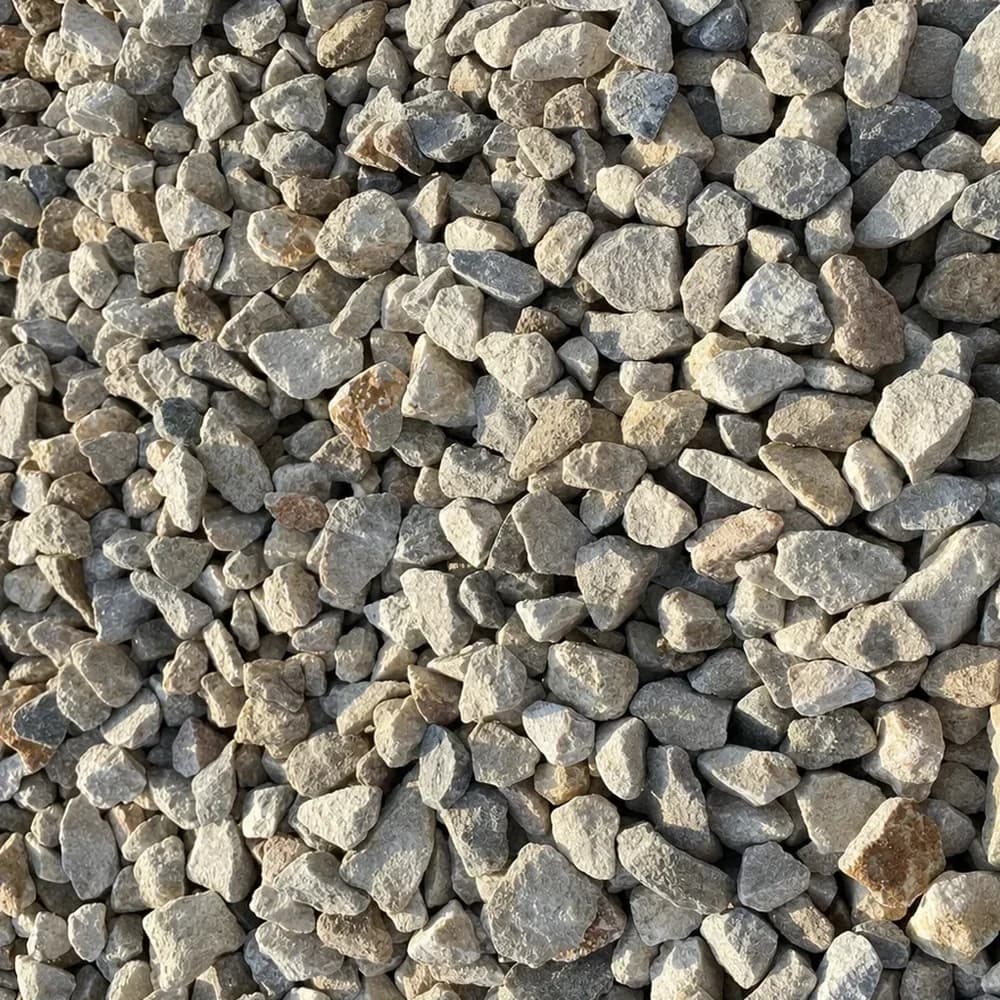
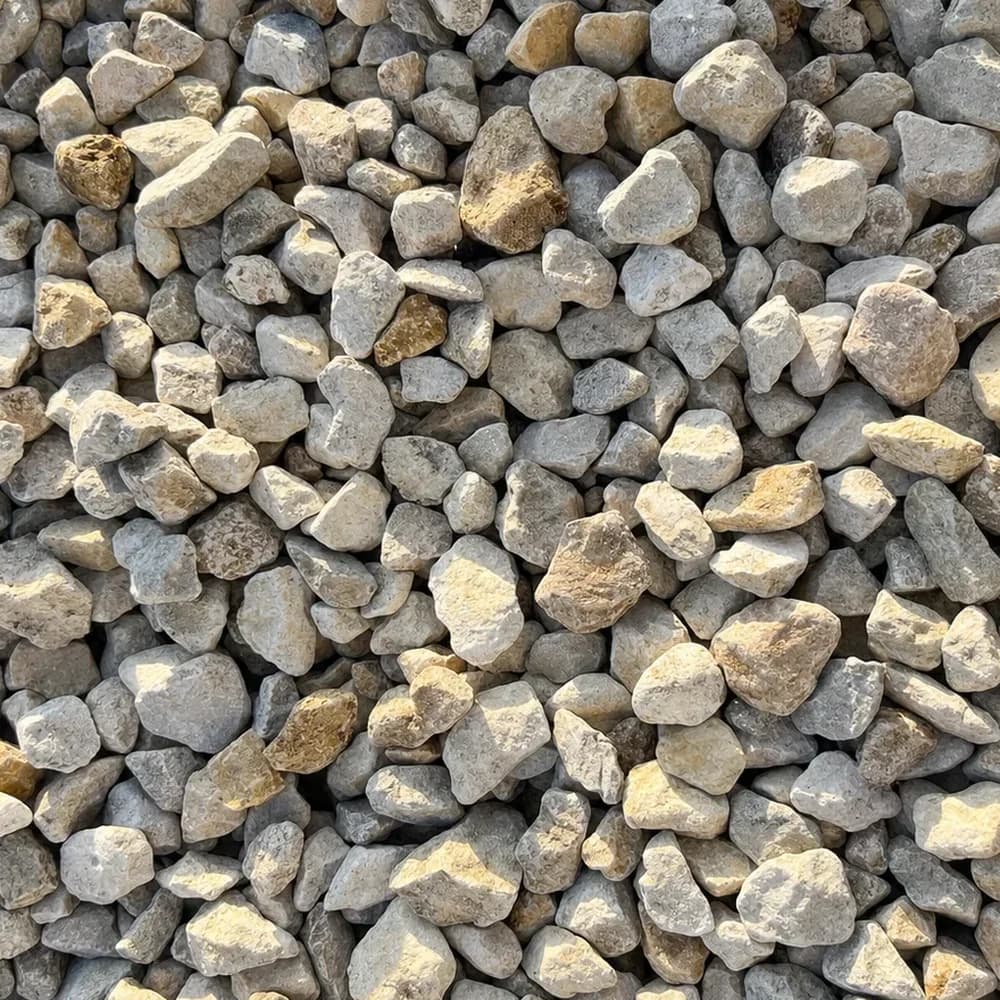
- Size: 1/4 inch minus
- Grading: Stone dust and fine particles
- Type: Angular crushed stone
From $460 for 1 ton, delivery included (larger loads cost significantly less per ton)
Free delivery included
Free delivery anywhere in Tennessee
Pick a delivery date
Weekday delivery, earliest Oct 29
“Decided on Screenings from them, ordering was simple and they kept me updated the whole time, really happy with how it went.”
Ashley J. · Verified Buyer
Get a Free Quote
Fill out the form and our sales team will get back to you within the hour.
Size and Grading
- Size
- 1/4 inch minus
- Grading
- Stone dust and fine particles
- Type
- Angular crushed stone
A good share of the flagstone walks that come apart on a hillside here were set on the wrong fine material. Somebody asked for sand, bedded the stone in it, and the first heavy storm of the spring pushed it out from under the low edge of the walk. Screenings are the other option, and they behave nothing like sand: quarter inch minus, angular, carrying their own stone dust, and they set up hard when they are damp and tamped.
Screenings against mason sand, washed sand and 3/8 inch chips
The four fine materials in this catalogue are not interchangeable, and the difference is what happens under pressure.
Mason Sand is fine, rounded and washed clean. It sweeps into joints beautifully and it stays loose, which is why a paver bedded in it can rock or migrate on a grade.
Washed Sand is coarser and also washed, so it drains fast and suits concrete work and pipe bedding. It will not bind either, because binding needs fines and washing removes them.
3/8" Crushed Stone is angular like screenings but a single small size with the dust screened out, so it drains where screenings hold water.
Screenings are the only one of the four that locks. The angular pieces key into each other and the stone dust between them fills the gaps, so a damp, tamped course goes rigid and stays that way. That rigidity is the point of a setting bed and it is why the same material gets brushed into joints afterwards.
Lime dust, stone dust and Size No. 10 on the ticket
You will hear this material called three or four things depending on who is writing the ticket. It is sold here as Screenings and also as Stone Screenings, the yards around this state often call it lime dust or stone dust, and where a job is specified formally the fine crushed size is written as Size No. 10. None of those names change what turns up on the drive: crushed rock at quarter inch and down, with the fines left in.
If a plan sheet calls for a number, order against the number. If somebody on site asks for lime dust, they mean this.
Setting flagstone where limestone sits close under the walk
Middle Tennessee and the eastern ridges put a lot of hardscape work on thin soil over rock. That sounds like an easy subgrade and it creates two specific problems.
The first is water with nowhere to soak. Where rock is close to the surface, rain sheets sideways instead of going down, so a walk laid flat becomes a channel in a thunderstorm. Give the finished surface a slight fall and give the water an exit at the low end.
The second is a subgrade that is firm in one spot and soft two feet away, because soil depth over the rock changes quickly. A setting course of fines will not correct that. It is a leveling layer, not a structural one, so anything uneven underneath comes back through the finished surface within a season.
A level pad for raised vegetable beds, and the walk out to a play area
Two jobs show what this material is and is not.
Raised vegetable beds want a flat, firm pad so the frames sit level and stay level when they are full and watered. Screenings, tamped into a level course over a compacted subgrade, do that well, and the paths between the beds can be finished in the same material because they compact into a firm surface a wheelbarrow will cross.
A play area is where the line falls the other way. Screenings make a good compacted approach walk and a good leveling course under a border, and they are the wrong surface inside the fall zone, because fines get dusty when dry, slick when wet and track indoors on shoes. Rounded 3/8" Natural Pea Gravel is the material for the play surface itself.
How thick the setting course goes, and what carries the load beneath it
One inch of screenings under a paver or a flagstone is a working setting depth, and an inch and a half is the most you want. A thick bed of fines is a bed that keeps consolidating after the stone is on it, which is how a flat patio develops dips.
Underneath that, the load is carried by a compacted base of Crusher Run: four inches for a patio, walk or bed pad on firm ground, more where vehicles will cross. Put woven permeable fabric between clay subgrade and base, because on cherty clay the two will otherwise mix and the base thins from the bottom up.
Wetting and tamping, because a dry pile will not bind
Screenings delivered dry pour like flour and compact like nothing at all. The material needs moisture to bind, and getting that right is most of the job.
- Screed the course to depth in one pass, working off rails or pipes so the surface is flat rather than following the ground.
- Mist it with a hose until it is damp through, not saturated. Squeezed in a fist it should hold its shape and not drip.
- Run a plate compactor over it, then check the level again and fill any low spots before setting a single piece.
- Set the pavers or the flagstone, then brush more screenings into the joints and compact again with a mat on the plate.
In a humid summer a pile will hold enough moisture on its own. After a dry spell in late summer, plan on wetting it.
Yards and tons for a flagstone walk, four raised beds and a play border
Three hypothetical examples, worked the way this site's calculator works: length times width times depth in inches, divided by twelve, divided by twenty seven, then multiplied by weight. Stone screenings run about 2,900 lb per cubic yard on the figures this site publishes, or roughly 1.45 tons per cubic yard.
A flagstone walkway 40 feet by 4 feet with an inch and a half setting bed. 160 square feet. 160 x 1.5 = 240, divided by 12 = 20 cubic feet. Divided by 27 = 0.7 cubic yards, about 1.1 tons.
A pad under four raised vegetable beds with paths between them, 16 feet by 14 feet at two inches. 224 square feet. 224 x 2 = 448, divided by 12 = 37.3 cubic feet. Divided by 27 = 1.4 cubic yards, about 2 tons.
A compacted border walk into a play area, 20 feet by 5 feet at three inches. 100 square feet. 100 x 3 = 300, divided by 12 = 25 cubic feet. Divided by 27 = 0.9 cubic yards, about 1.3 tons.
Run your own figures through the stone calculator, or use the paver base calculator when you are pricing the base course and the setting bed together.
Ordering the setting course with the pavers in mind
Fines are the last material to go down and the first one to cause trouble if they arrive too early, because an uncovered pile sheds in a downpour and loses the dust that makes it work.
Time the order to the week you are setting stone, not the week you start digging. Delivery is arranged at checkout by ZIP code and the truck needs clear access to somewhere it can tip, which the delivery page sets out. Work your square footage, pick a depth, then choose a quantity and a date here. If you are ordering base and bedding on the same job and want to sort out what lands where, say so through contact first.
Quickly Calculate How Much You Need
Material: Screenings
How to Measure
Measure the length and width of your project area in feet
Decide on depth in inches (2" for landscaping, 4" for driveways)
Enter the values above and we'll calculate the tonnage you need
Need help figuring out the right amount? We can help!
Call or text us at (615) 908-6867 and we'll help you calculate the right quantity for your project.
Not sure how much you need? The Stone Calculator has depth guides, coverage charts and worked examples for this material.
Frequently Asked Questions About Screenings
Customer Reviews
Ordered Screenings from this company and the delivery came exactly when I expected. The driver was friendly and really careful about where he placed it, which I appreciated.
Eric H. · Franklin, TN · Verified Buyer
Had Screenings delivered by Tennessee Rock Supply and everything went great, I'd definitely order again and recommend them.
Greg J. · Clarksville, TN · Verified Buyer
Ordered Screenings from these guys and it was no hassle at all. Everything showed up when expected, super happy with it.
Brian J. · Clarksville, TN · Verified Buyer
Decided on Screenings from them, ordering was simple and they kept me updated the whole time, really happy with how it went.
Ashley J. · Clarksville, TN · Verified Buyer
Screenings has 4 verified customer reviews with an average rating of 5 out of 5.