Garden Soil for Tennessee Raised Beds and Planting Rows
After it settles into a Tennessee planting area, Garden Soil gives vegetables, blooms, and raised plots compost-supported growing material.
- Size: Nutrient-enriched soil blend
- Grading: Enhanced with organic compost
From $485 for 1 ton, delivery included (larger loads cost significantly less per ton)
Free delivery included
Free delivery anywhere in Tennessee
Pick a delivery date
Weekday delivery, earliest Oct 29
“Ordered garden soil from them and everything went really smooth. Delivery showed up as planned, and the garden soil looked great. I'd definitely order again and recommend them.”
Susan K. · Verified Buyer
Get a Free Quote
Fill out the form and our sales team will get back to you within the hour.
Size and Grading
- Size
- Nutrient-enriched soil blend
- Grading
- Enhanced with organic compost
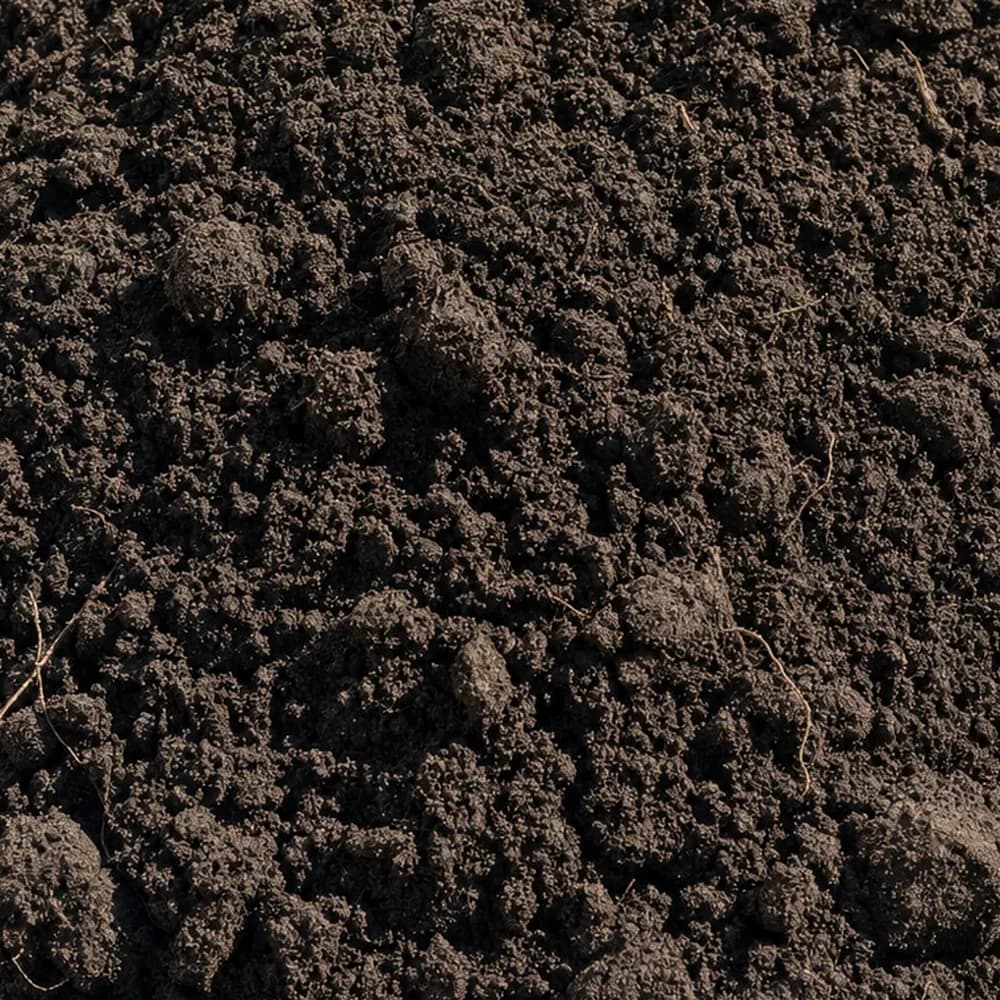
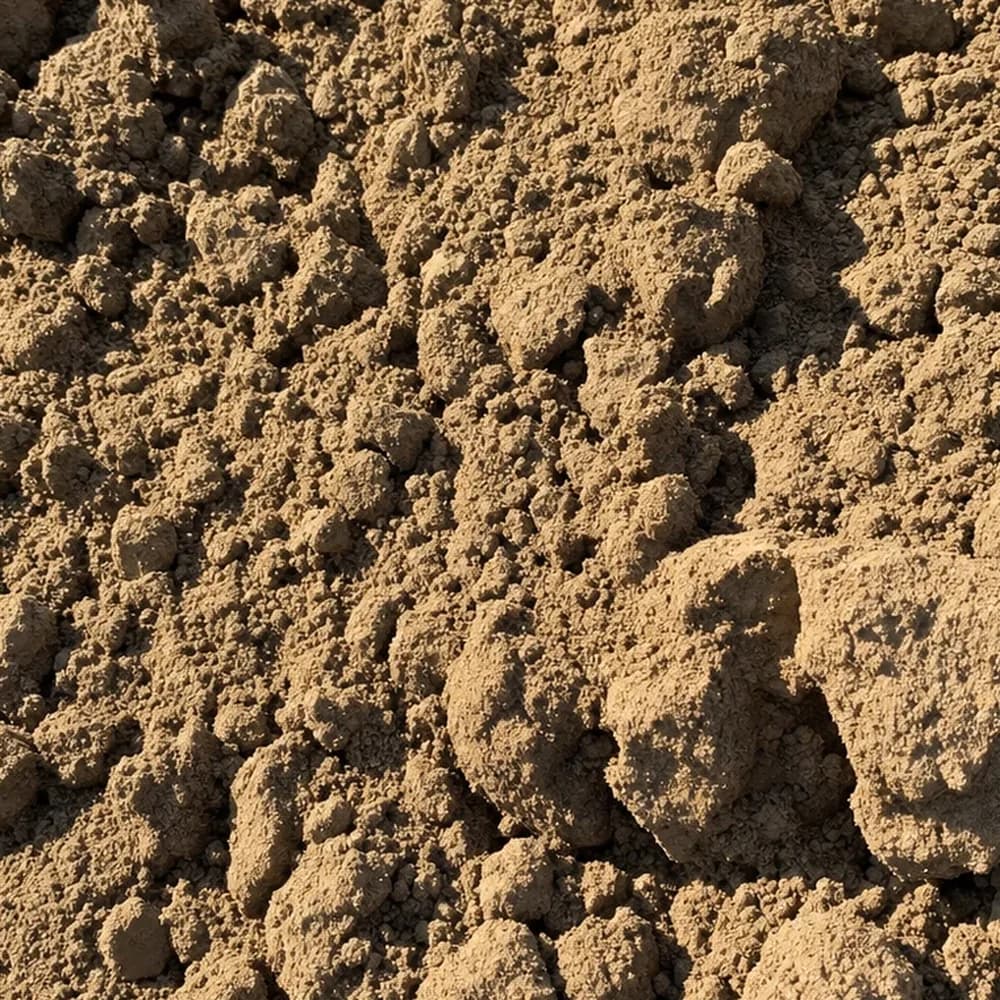
Tip a yard of garden soil onto the drive next to a shovelful of what is already in the yard and the difference is visible from across the driveway. The blend is dark and crumbly, it carries visible compost fiber, and it falls apart in the hand instead of holding the shape of your fist. The cherty clay it is going on top of does the opposite: it rings when you hit it dry, it smears when you squeeze it wet, and it comes out of the ground in slabs with chert through them.
What a yard of garden soil looks like tipped on the drive
Work some between your fingers. There is grit in it, there is structure in it, and there are pieces of part-broken organic matter you can see. That texture is what roots are after. Water goes through it rather than ponding on it, and it holds moisture through the dry stretch that arrives here in late summer.
It should smell like soil rather than anything sour, so put your nose in the pile before you move it. It is also lighter than the ground around it: a cubic yard runs about 2,000 lb on this site's published figures, where screened topsoil is nearer 2,200 and fill dirt heavier again.
Raised beds and planting rows over cherty clay
Most of this state hands a gardener thin soil over rock, heavy clay, or both in the same yard. Around the Central Basin and on the Highland Rim, beds are cut into cherty clay with limestone not far underneath. On the eastern ridges the soil layer is shallower again, and out west the silt is easier to dig and drains poorly in the flat spots.
In all three cases the short route to a working bed is to stop fighting what is there and build above it. A frame filled with a compost-carrying blend gives roots a defined depth of workable ground, drains when a spring storm dumps two inches in an hour, and lets you plant in April rather than waiting on clay to dry enough to till. For an in-ground row, the same material works as an amendment rather than a replacement: loosen the ground, spread two to three inches over it and work it in.
Three jobs on a hill lot that want a different material
Soil is the wrong answer more often than people expect, and three jobs it gets misordered for are worth naming.
A turnaround or a parking pad is a stone job from top to bottom. Compost-rich material under traffic compresses, holds water and turns to mud, so the pad wants Crusher Run over a compacted subgrade. The only garden soil on that job is the border bed along the edge.
A French drain along a foundation wants washed stone in the trench, #57 stone, wrapped in filter fabric. Nothing organic goes near it, because organic matter breaks down, settles and blocks the voids that make the drain work. Once the trench is capped, a shallow planting strip above it is fine.
Filling a low spot or regrading a yard is bulk work, and that wants Fill Dirt for everything except the last few inches. A compost blend used to fill volume settles as the organic fraction breaks down, so the low spot comes back.
Filling a frame: how much blend, how much of what is already there
For a raised frame on ground you can dig, ten to twelve inches of blend gives most vegetables room to work. For a frame on shallow ground over rock, or on a deck, fill the whole depth and go deeper than twelve inches for anything that roots down.
You do not have to fill a deep frame entirely with purchased blend. Break the ground inside the frame first so roots can carry on into it, then put the blend on top. A very deep frame often takes a lower layer of coarse organic material, which settles over the first season, so plan on topping it up.
For renewing tired beds, two to three inches spread over the surface each year is a working figure, and existing plantings prefer it spread and left rather than dug in around their roots.
Cubic yards for a border bed, a foundation strip and a filled low spot
Three hypothetical examples, worked the way this site's calculator works: length times width times depth in inches, divided by twelve, divided by twenty seven. A blended garden soil runs about 2,000 lb per cubic yard on this site's published figures, which is 1 ton per cubic yard, so yards and tons come out the same on this material.
A border bed along the edge of a new turnaround, 30 feet by 2 feet at six inches. 60 square feet. 60 x 6 = 360, divided by 12 = 30 cubic feet. Divided by 27 = 1.1 cubic yards, about 1.1 tons.
A planting strip over a capped foundation drain, 28 feet by 3 feet at four inches. 84 square feet. 84 x 4 = 336, divided by 12 = 28 cubic feet. Divided by 27 = 1 cubic yard, about 1 ton.
A low spot 20 feet by 14 feet sitting eight inches below grade, turned into a planting bed. 280 square feet. 280 x 8 = 2,240, divided by 12 = 186.7 cubic feet, divided by 27 = 6.9 cubic yards of total volume. Fill the bottom two inches with fill dirt, which is 1.7 cubic yards, and the top six inches with this blend: 280 x 6 = 1,680, divided by 12 = 140 cubic feet, divided by 27 = 5.2 cubic yards. If the low spot is going back to lawn, that top layer wants Top Soil instead.
Work your own beds in the soil calculator.
Ordering ahead of a March bed fill or an October reset
Work runs close to year round here, and soil is the exception, because you want it dry enough to handle and the ground beneath it firm enough to cross.
Late winter into early spring is the busy window: frames filled before the first plantings, rows amended with time to settle. The catch is that this is the wettest stretch of the year. Autumn is the easier season for building new beds, since the ground is drier and anything that settles over winter can be topped up before spring.
Compost blend, hard rain and a bed that sits above a walk
A light blend on a slope goes somewhere in a thunderstorm, and this state gets plenty of those.
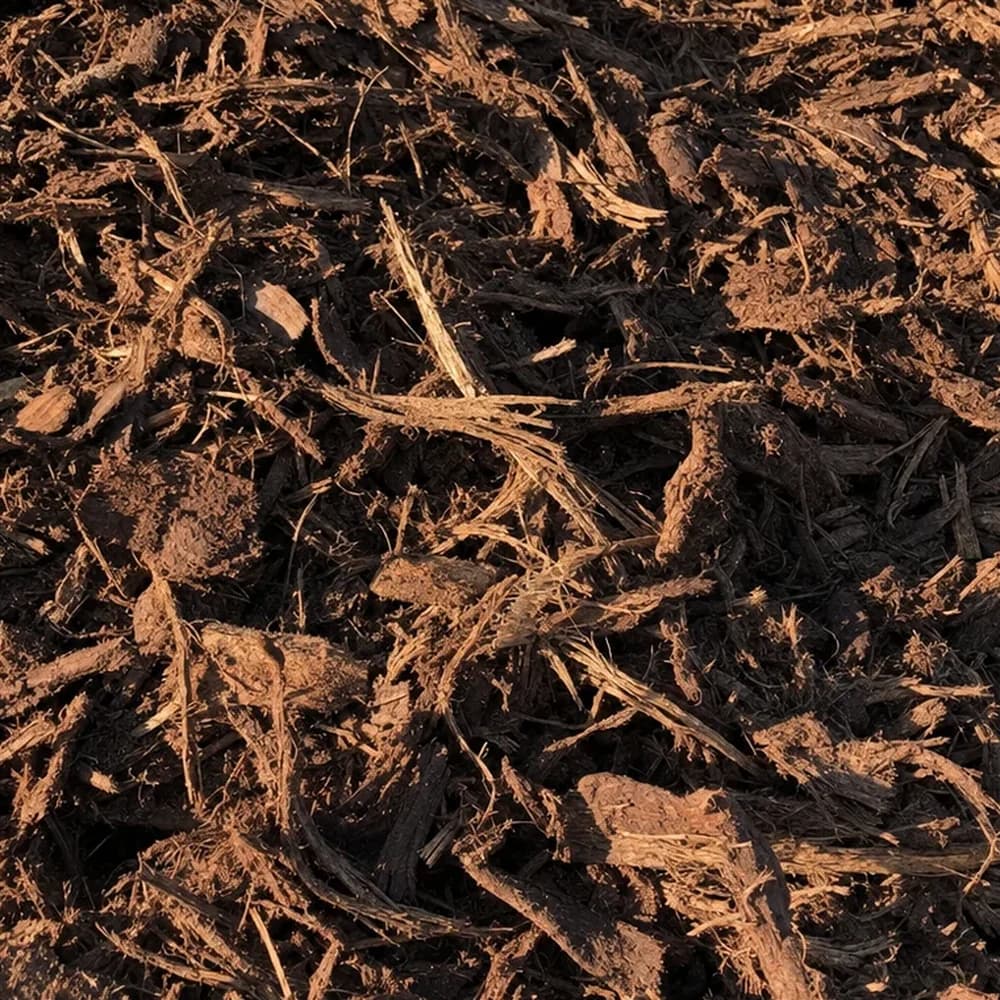
Frames and edging solve most of it. Keep the finished soil level slightly below the top of the edge rather than heaped level with it, so a downpour has somewhere to go before it spills over. On an open bed, Shredded Mulch takes the impact of the rain and keeps the blend from washing onto a walk below. On a real grade, terrace the bed rather than sloping it.
Sizing the order before the frames go together
Soil is one of the few orders you can measure exactly, because a frame has known dimensions and a bed has a known depth. Measure everything you plan to fill, including the beds you meant to do next year, since one delivery covering three beds is simpler than three small ones. Delivery is arranged at checkout by ZIP code and the truck needs clear access to somewhere it can tip, which the delivery page explains. Then set a quantity and a date on this page. If the only place a truck can tip is a long wheelbarrow run from the garden, mention it through contact first.
Quickly Calculate How Much You Need
Material: Garden Soil
How to Measure
Measure the length and width of your project area in feet
Decide on depth in inches (2" for landscaping, 4" for driveways)
Enter the values above and we'll calculate the tonnage you need
Need help figuring out the right amount? We can help!
Call or text us at (615) 908-6867 and we'll help you calculate the right quantity for your project.
Not sure how much you need? The Soil Calculator has depth guides, coverage charts and worked examples for this material.
Frequently Asked Questions About Garden Soil
Customer Reviews
Ordered garden soil from them and everything went really smooth. Delivery showed up as planned, and the garden soil looked great. I'd definitely order again and recommend them.
Susan K. · Nashville, TN · Verified Buyer
Had garden soil delivered by this company and everything went really smooth. The garden soil looked great and I'd definitely order again.
Christine V. · Franklin, TN · Verified Buyer
Went with the team for garden soil, and they kept me updated the whole time. Really happy with the order and I'd definitely recommend them or order again.
Angela T. · Murfreesboro, TN · Verified Buyer
Ordered garden soil from Tennessee Rock Supply and they kept me updated the whole time, really happy with how easy it all was.
Laura L. · Nashville, TN · Verified Buyer
Easy to work into the bed
This soil was loose enough to work into the bed easily. I used it at my home in Knoxville, TN and would choose it again for a similar project.
Hayden W. · Chattanooga, TN · Verified Buyer
Garden Soil has 5 verified customer reviews with an average rating of 5 out of 5.